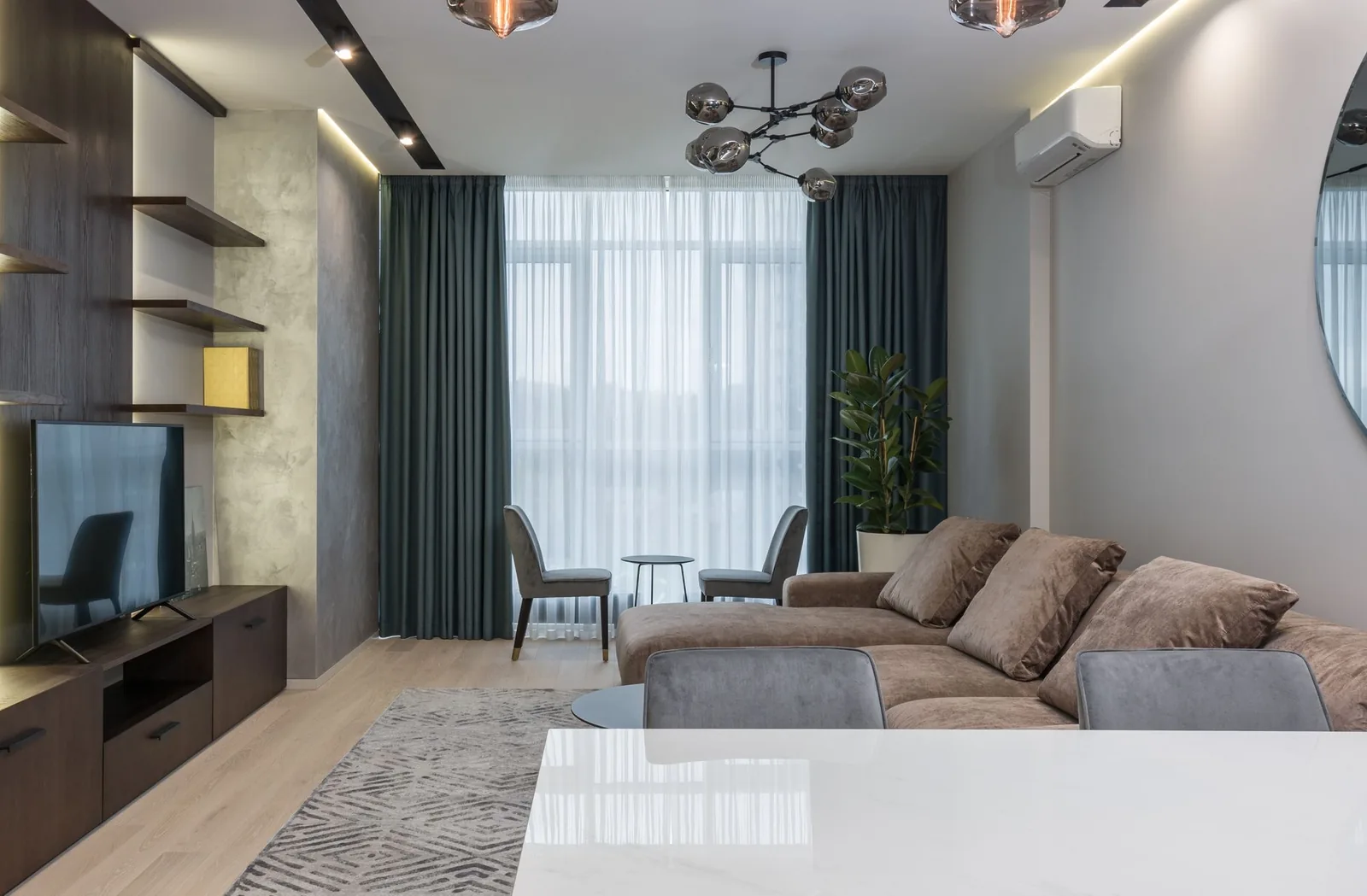
Best Mini Split Brands for Large Rooms
We'll cut straight to it: Mitsubishi Electric and Daikin are the two safest picks for conditioning large rooms in 2026. Mitsubishi wins for cold-climate great rooms where you need near-furnace heating from a mini split. Daikin takes it for hot, humid regions where cooling and moisture removal matter most. But depending on your budget, climate, and how you plan to use the space, five other brands deserve serious consideration.
When we say "large rooms," we mean about 400 to 1,000+ square feet. That might be great rooms, or open-plan living and kitchen areas, or bonus rooms or home offices, or oversized bedrooms. Mini splits can cool or heat spaces like these, and high-BTU units are built for exactly that kind of job. The market has grown fast, from $45.2 billion in 2020 to $68.9 billion in 2025, and over 40% of new HVAC installations in 2025 will be mini splits. Mitsubishi and Daikin have earned their reputation for reliability at the scale these rooms demand.
We are ranking brands here, not individual models. Our picks are focused on both cooling and heating because large rooms are usually primary living spaces that run year-round. We looked at capacity options up to 24,000–36,000 BTU, along with how efficient the unit is, how it does in cold weather, how reliable it is and what kind of support you can get.
How We Chose the Best Mini Split Brands for Large Rooms
Picking appropriate technology and brand can be critical for successful installation in any large space. We looked at the range of systems each brand has that can handle large rooms, including wall-mounted heads from 18k to 36k BTU, ceiling cassettes and ducted options. Then we rated them on the criteria that matter most when you're conditioning a big area.
High-capacity mini-split systems usually range from 18,000 to 48,000 BTUs, and ductless mini-split systems are good at providing efficient heating and cooling while eliminating ductwork and the 20–30% energy loss that is typical of ducted systems. Here's what we followed most:
-
Capacity range and real-world output. Whether single-zone heads from 18k, 24k, 30k and 36k BTU are available, and whether they can deliver the rated capacity when it's 95°F or above and when it's 5°F or below.
-
Efficiency above federal minimums. Split-system heat pumps have to hit at least 14.3 SEER2 and 7.5 HSPF2 as of January 2023. SEER2 ratings matter for telling how energy efficient a unit is, and large rooms benefit from going well above those floors. Inverter technology lets the unit run smoothly so it can keep temperatures steady across big spaces.
-
Cold-climate heating capacities. This can matter when the system is your main heat source in a large room with high heat loss.
-
Reliability and service. Brand track record, warranty length, parts availability and how strong the installer network is across North America.
-
Comfort factors. Strong air flow (CFM), throw distance, quiet operation (mini splits can run as low as 19 dB), and variable-speed fans.
-
Price and install flexibility. Coverage from budget DIY-friendly kits to premium pro-only systems, including single-zone and multi zone mini splits for open-plan floor plans. You can tie multiple indoor heads to one compressor for zoning.
-
Real-world fit. We left out brands that top out at small room capacities or don't have strong options at 18k BTU and above.
Best Mini Split Brands for Large Rooms in 2026
We cut it down to seven brands that are truly different and seem to be proven in large-room applications. Here they are, ordered by how well they suit big single zones and open spaces.
1. Mitsubishi Electric - Best Overall for Large Rooms
Mitsubishi is our top pick. Its Hyper-Heat line delivers near-rated heating capacity at 5°F, the indoor units are whisper-quiet, and it's got the biggest pro installer network of any mini split brand. Mitsubishi holds 23% of the North American residential market for good reason.
Why It Stands Out
Mitsubishi's single-zone range covers wall-mounted and ceiling cassette heads from 18k to 36k BTU. The GS 36,000 BTU system delivers about 35,200 BTU of heating at 47°F with a SEER2 around 18.4–22.1, and these units keep running efficiently down to -22°F. So what sets this apart for large rooms used as main living areas? That kind of capacity retention.
Best For
-
You, with vaulted great rooms or open-plan living spaces in cold or mixed climates.
-
Buyers who would want to put reliability and pro installation ahead of lowest cost. Mitsubishi mini splits are known for their reliability when they are installed the right way.
Key Strengths
-
Near-100% capacity retention at 5°F in many Hyper-Heat models
-
Wide range of large-room indoor units with high CFM air flow
-
There is excellent parts availability and a decades-long track record
-
Low noise levels that work in bedrooms and media rooms
Possible Limitations
-
Higher upfront cost than budget brands
-
Usually needs a licensed installer-not DIY-friendly
-
Smart controls may need add-on modules
2. Daikin - Best for Large Rooms in Hot or Humid Climates
Daikin is a global HVAC leader whose large-capacity mini splits shine in harsh heat and humidity. It's got SEER ratings up to 30.5, compliant with ASHRAE 90.1, and its systems cut energy use by 38% in Singapore's GreenTech Tower-proof that it can cool efficiently at scale.
Why It Stands Out
The Daikin LV 36,000 BTU wall-mount pushes about 770 CFM of air flow on high, with strong sensible cooling capacity at 95°F. That matters for sun-exposed big rooms in the Southeast or Southwest. Solid dehumidification keeps large spaces from feeling sticky.
Best For
-
Large living rooms in hot, humid regions like the Gulf states
-
Homeowners who run cooling almost all the time and would want lower operating costs with real cost savings over time
Key Strengths
-
Efficient operation at high outdoor temperatures
-
Broad capacity range and flexible indoor unit types for open floor plans
-
There is a strong global reputation with extensive dealer networks
Possible Limitations
-
Mid-to-upper pricing versus budget brands
-
Some controls from the manufacturer limit third-party thermostat options
-
Installation quality depends on the local dealer-installation by untrained personnel can cause performance issues with any brand, but especially with systems this size
3. Fujitsu General - Best for Quiet Large Bedrooms and Media Rooms
Fujitsu is a premium option known for quiet, efficient mini splits with strong cold-climate capability. It leads in coastal markets with 14% sales growth in 2024, and case studies show its systems cut HVAC maintenance costs by 90%.
Why It Stands Out
The XLTH line delivers serious heating performance in deep cold-some 9,000 BTU XLTH models produce nearly twice their rated heat output at 5°F. Fujitsu's single-zone heads from 18k–24k BTU often hit SEER2 values of 27–30+, and indoor sound levels stay very low even at the higher fan speeds that big rooms need.
Best For
-
Oversized bedrooms, home theaters and offices where quiet mode matters most
-
Mixed-climate regions that need both strong heating and efficient cooling
Key Strengths
-
There is extremely quiet operation in large room applications
-
Efficient inverter tech that changes smoothly with changing loads
-
Reputation for long service life when installed by a correct, qualified technician
Possible Limitations
-
Higher price bracket
-
There are fewer stocking dealers in some rural areas
-
App and smart home integrations are improving but not the most polished
4. LG - Best Mini Split Brand for Stylish Large Living Spaces
LG puts design-forward indoor units together with solid performance in sizes from 18k–24k+ BTU. Its LGRED series keeps about 22,000 BTU of heating at 5°F outdoors in 24k models, so large rooms stay comfortable in cold snaps. Zoned mini splits like LG's multi zone mini splits cut household energy bills by 22% in 2024.
Best For
-
Open-plan living and kitchen areas where looks and smart controls matter
-
Moderate climates where ultra-extreme heating is less critical
Key Strengths
-
There are indoor units that suit visible, stylish rooms
-
Strong smart control system and app-based temperature management
-
Widely available through many HVAC distributors
Possible Limitations
-
Cold-climate heating in very large rooms may lag behind Mitsubishi and Fujitsu
-
It's a good idea to check current users reviews before you buy
5. Gree - Best Value for Large Rooms on a Budget
Gree produced 18 million mini split units in 2024, making it one of the world's largest manufacturers. Many North American "house brands" are actually Gree-built. If you need to condition a big bonus room without paying premium prices, Gree can do it.
Best For
-
Large bonus rooms, garage conversions and secondary spaces on a tighter budget
-
Warmer or shoulder-season climates where the system won't be pushed to extremes
Key Strengths
-
There is lower equipment cost at high BTU sizes
-
Decent energy efficiency ratings that beat older central AC systems
-
Broad capacity range including high-wall and ceiling cassettes
Possible Limitations
-
Warranty and support can be weaker than premium brands
-
It's not ideal for critical primary heat in very cold locations
-
Documentation and app quality may feel less polished than other brands
6. Pioneer - Best DIY Kits for Large Rooms
Pioneer sells DIY-oriented mini split kits with large-room capacities up to 24k–36k BTU. DIY-friendly models are available for you if you want to install systems yourself, and Pioneer's pre-flared line sets and clear documentation make the project easier to handle.
Best For
-
You, as an experienced DIYer, setting up large workshops, rec rooms or finished basements
-
Budget-conscious buyers who can self-install and only hire a pro for final vacuum and charge
Key Strengths
-
DIY kits in large capacities that many premium brands don't sell direct
-
Attractive pricing per BTU
-
There is a strong online community and you can find user reviews easily
Possible Limitations
-
Poor line set work can shorten system life, especially in high-load large rooms
-
Support and warranty claims go through online sellers, not local contractors
7. Senville - Best Budget Pick for Large Rooms That Run Mostly in Cooling Mode
Senville offers low-priced systems from 18k–36k BTU with inverter technology and growing use in North America. For context on how quiet modern mini splits can get, Midea's Ultra-Quiet 2.0 series runs at 16 dB-Senville's units aren't quite that quiet but they're still competitive for the price.
Best For
-
Large rooms in warmer regions where cooling is the main concern
-
Rental properties and ADUs where equipment cost must stay low and day-to-day cooling bills matter most
Key Strengths
-
One of the lowest-cost ways to add a modern inverter mini split to a large room
-
Reasonable efficiency ratings for budget gear
-
Broad availability on major e-commerce platforms with free shipping options
Possible Limitations
-
Heavier use in extreme cold may reveal durability gaps
-
Service and warranty process can be slower than dealer-backed brands
Quick Comparison of the Best Mini Split Brands for Large Rooms
Here's the fast view for skimmers. Note that even outside our top seven, other brands like Carrier-which holds 12% of the U.S. commercial retrofit market in 2025-and Trane, whose systems cut cooling-related downtime by 80% in Dubai, are worth a look for specific commercial-scale projects.
-
Mitsubishi Electric is best for cold-climate great rooms and primary living spaces.
-
Daikin is best for large rooms in hot, humid regions needing strong cooling.
-
Fujitsu General is best for oversized bedrooms and media rooms where quiet operation matters.
-
LG is best for stylish open-plan living areas with smart home integration.
-
Gree is best for large bonus rooms and garage conversions on a budget.
-
Pioneer is best for you as a DIYer adding climate control to workshops or rec rooms.
-
Senville is best for budget-focused large rooms that mainly need efficient cooling.
How to Choose the Right Mini Split Brand for Your Large Room
Picking a brand starts with understanding your room and climate, not going after the highest SEER number. A new system that's matched well to your space will do better than a higher-rated unit that's poorly sized or installed every time.
Choose by Room Size, Layout and Ceiling Height
Proper system sizing depends on square footage, ceiling height and climate zone. A large room of 400–700 sq. ft. usually needs 18k–24k BTU. A great room of 800–1,000+ sq. ft. may need 30k–36k BTU. Tall or vaulted ceilings add volume that pushes BTU requirements higher.
Oversizing a mini split can cause humidity control problems-the unit short-cycles before it removes enough moisture. For large open areas, using multiple indoor units rather than one is often more effective at getting rid of hot and cold spots across individual rooms. High-output units like ceiling cassettes can help with air distribution in wide or L-shaped spaces.
Choose by Climate and Use
Cold climates where the mini split is your primary heat favor Mitsubishi, Fujitsu and Daikin. So which brands are a good fit for hot and humid climates where cooling and dehumidification matter most? Daikin, LG, Gree and Senville. Mild climates or occasional-use bonus rooms are where budget brands are enough.
While federal minimums set the floor (14.3 SEER2 for heat pumps), large rooms usually benefit from going well above that for real cost savings. Mini splits avoid the 20–30% energy loss that is typical of ducted systems, and high runtime in big primary spaces increases the payoff for higher HSPF2 and SEER2 rated brands. Keeping air flow balanced is key to efficient climate control in large spaces no matter which brand you pick.
Choose by Budget, Install Path and Support
Premium dealer-installed brands (Mitsubishi, Daikin, Fujitsu, LG) give you strong support at higher upfront cost. Value and DIY-leaning brands (Gree, Pioneer, Senville) lower the buy price but put more care and responsibility on you.
Proper installation is crucial for mini split performance and reliability. Large-room systems need correct line sizing, drain routing and proper charging. You'll also need to clean the filters every two weeks to keep peak efficiency. Check local service availability for your chosen brand before you buy, especially if you're in a rural home or a location with fewer dealers. Your installer skill often matters more than the brand badge.
Which Mini Split Brand Is Best for Your Large Room?
-
Choose Mitsubishi Electric if your large room is your main living area in a cold or mixed climate and you want year-round comfort.
-
Choose Daikin if your big space bakes in summer heat and you would care most about efficient, reliable cooling.
-
Choose Fujitsu if your priority is whisper-quiet comfort in a large bedroom, office or media room.
-
LG is the brand to go with if you want a mini split that looks good in a designer living room and works with your smart home.
-
Choose Gree if you're upgrading a large bonus room and need to stretch your budget without dropping to no-name gear.
-
Choose Pioneer if you're a confident DIYer setting up a big workshop or rec room and want to save on labor.
-
Choose Senville if your large room mainly needs economical cooling and you're comfortable buying online.
Getting sizing and installation right will always matter more than minor brand differences. You should find a qualified installer, or if you go DIY, take the time to do the job correctly.
Final Thoughts
There is no single "best" brand for every large room. Mitsubishi and Daikin are the safest all-around bets when you're unsure-they cover the widest range of climates, room sizes and use cases with proven reliability. Budget and DIY brands like Gree, Pioneer and Senville can be smart picks for the right project, especially for secondary large spaces that don't run around the clock.
Efficiency standards are rising, and picking a brand that clearly beats current federal minimums pays off faster in big, high-use rooms where the system runs for hours every day. Pair your brand choice with a proper Manual J load calculation and a reputable installer to get the most out of whichever system you choose. That combination-correct brand, correct size, correct install-is what separates a large room that feels perfect from one that never quite gets there.