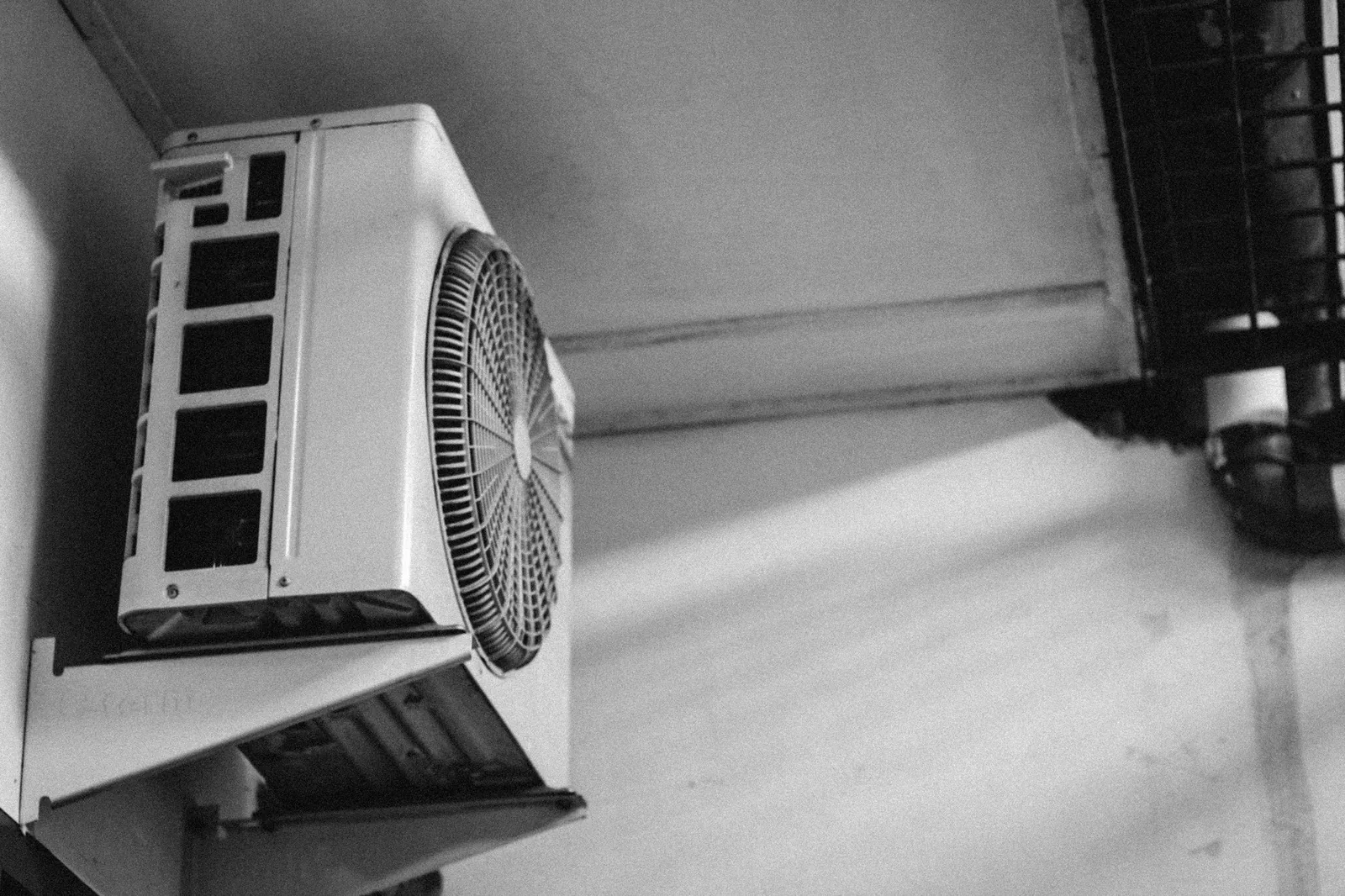
The best mini split brands for garage 2026 are Mitsubishi Electric, Daikin and MrCool, and those are the three we recommend most for garage mini split installations. Mitsubishi might lead on heating in cold weather and keeping noise down, while Daikin could win on long-term reliability and access to parts. MrCool might be the best option if you want to install the unit yourself. Below those three, Gree and Pioneer round out our list for you if you need a balance of value and year-round performance, or if you just need a strict budget pick.
We put these brands in order for garage use, not general HVAC reputation. Ductless units can work in garages, but certain models are recommended over others because garages hurt equipment in ways that bedrooms never will.
Why your garage needs the right mini split brand
Garages are tougher environments than any room inside your house. Poor insulation (or none at all), metal garage doors, exposed roof decking and constant air leaks create heat loads that are much bigger than a typical bedroom. In summer, a south-facing garage roof can push interior temps well past 100°F, and in winter an uninsulated garage in Minnesota can sit at 10°F for weeks.
Add vehicle fumes, sawdust and concrete dust to the mix, and you need a mini split that handles dirty air without choking. Washable filters are recommended because dust builds up fast in garages. Disposable filters clog quicker and cost more over time in these spaces.
Not every brand handles these conditions equally. Some excel in cold, some in heat, some in dirt tolerance and some simply cost less. We're talking about a range from under $800 for a basic Pioneer unit to over $3,000 for a fully installed Mitsubishi Hyper-Heat system.
Mini split systems need you to think about insulation and climate before you even compare brands. A garage in Phoenix and a garage in Vermont need different things from the same category of equipment. The 2023 DOE efficiency rules set a national floor of 14.3 SEER2 and 7.5 HSPF2 for split-system heat pumps, and ENERGY STAR's cold-climate label for ductless systems demands 15.2 SEER2 and 8.5 HSPF2. Those limits shape which brands and models are worth your time in 2026.
How we chose the best mini split brands for garages
We filtered common mini split brands by how they perform in real garages, not controlled lab environments. Forum reports, installer feedback, warranty claim patterns and published specs all went into our rankings.
Performance and garage-specific capability
-
We put first priority on brands with strong cooling output at high outdoor temps (for sun-baked garages) and stable heating at low outdoor temps (for cold-climate garages). Low-ambient heating performance is important for garages in colder climates, because a unit that stops producing useful heat at 15°F is basically a summer-only appliance.
-
ENERGY STAR's Cold Climate HSPF2 floor is higher for ductless than ducted: 8.5 HSPF2 for non-ducted split heat pumps versus 8.1 for ducted, and both need at least 15.2 SEER2. If the garage is partly conditioned year-round, hitting that limit will help cut operating costs.
-
Garages need sizing adjustments of 30% to 50% due to poor insulation. A typical 400 to 600 sq ft two-car garage with an uninsulated ceiling and a steel roll-up door will often need an 18,000 BTU unit where a bedroom of the same square footage would be fine with 12,000 BTU. Mini split units are generally more effective when they're sized right for the garage, and going a bit bigger beats going too small in leaky spaces.
Reliability, warranty and support
-
Brands with proven compressor reliability, strong parts availability and long warranties placed higher for garage duty. A garage mini split runs harder than a bedroom unit. Compressors cycle more, coils collect more debris and control boards deal with wider temperature changes.
-
Some brands need licensed installation to keep the full warranty. That's something to think about if you plan to install the unit yourself. MrCool's DIY line is the main exception.
-
We used U.S. and Canadian service network strength as a tiebreaker. Daikin scored a 95/100 on the SplitAtlas supportability index. This score reflects diagnostic documentation, parts supply and warranty follow-through.
DIY-friendliness and installation flexibility
-
DIY-friendly pre-charged line sets and clear install documentation matter for garage upgrades, especially if you have no existing ductwork and want to avoid $1,500+ in labor.
-
Some brands mount more easily on a high wall over a workbench, while others offer ceiling cassettes or floor consoles for garages with limited wall space.
-
Electrical voltage matters. Many garages are wired with 115V outlets only. Units at 24,000 BTU and above almost always need 208/230V, and that means running a new circuit. Brands that offer 115V options for smaller capacities (9,000 to 12,000 BTU) can save you wiring cost.
Value, noise and everyday usability
-
Low indoor and outdoor noise is a key factor for garages used as studios, gyms or workshops. Premium brands often list indoor levels below 25 dB(A), while budget units may sit at 35 to 40 dB(A).
-
Wi-Fi control and app scheduling matter for a space you don't use 24/7. Pre-cooling a garage 30 minutes before a workout saves both energy and sweat.
Best mini split brands for garage use in 2026
We cut the market down to five brands that stand out for garage applications, then put them in order by overall fit. We left out bare-minimum imports with weak service networks, even when their sticker price was tempting. If you can't find replacement parts or get warranty service, a cheap unit becomes expensive fast.
1. Mitsubishi Electric - Best overall for harsh garage conditions
Mitsubishi is our top overall pick for garages. The combination of long compressor life, low noise, Hyper-Heat cold-climate performance and wide operating temperature range puts it ahead of every other brand on this list. It is at the premium end of the price spectrum. Expect to spend $2,500 to $4,000+ installed for a single-zone system.
Why it stands out
Mitsubishi's compressors have a reputation for lasting 15 to 20 years in home use. The brand's cold-climate Hyper-Heat line keeps useful heat output going down to -13°F (-25°C). The FX Deluxe Hyper-Heat model posts a SEER2 of 35 and an HSPF2 of 13 at its smallest 6,000 BTU capacity. This is among the highest in the industry. Heat pump operation is important for providing heating in winter, and Mitsubishi's Hyper-Heat line delivers where most competitors fade.
Indoor units are among the quietest available. Forum users running Mitsubishi units in garage workshops and studios consistently report low noise and stable temps over 4+ years. Mitsubishi is highly recommended for mini split systems in spaces where comfort and durability both count.
Best for
-
Homeowners converting a 400 to 600 sq ft garage to a studio or office where comfort and noise matter more than upfront cost.
-
You in the upper Midwest, New England or parts of Canada who need reliable winter heating.
-
People willing to hire a pro installer to keep the full Mitsubishi warranty intact.
Key strengths
-
Want top-tier efficiency? Look for models that exceed 15.2 SEER2 and beat the 8.5 HSPF2 ductless cold-climate floor by a wide margin.
-
Continuous heating at -13°F. Useful heat output keeps going where most brands shut down or switch to resistive backup.
-
Indoor units that operate below 20 dB(A) at low fan speed.
-
Strong dealer network and parts availability, especially in the Northeast, Midwest and Pacific Northwest.
Possible limitations
-
There is higher equipment and install cost than any other brand on this list.
-
Not a DIY pre-charged system. It's harder for you if you want to self-install over a weekend.
2. Daikin - Best for long-term reliability
Daikin is a global HVAC manufacturer with a lineup of single-zone mini splits well suited to garage use. Pricing usually lands slightly below Mitsubishi but stays in the premium tier.
Why it stands out
Daikin's strength is consistency over time. Components hold up under continuous use, and the service network across the U.S. and Canada makes getting parts or warranty work done less painful than with smaller brands. The model lineup covers wall-mounts, slim-duct and cassette options, so there's a form factor for almost any garage layout, from a tight one-car space to a deep three-car bay.
Efficiency ratings clear the national split heat pump minimum of 14.3 SEER2 and 7.5 HSPF2 with room to spare. Daikin's cold-climate models offer solid shoulder-season and winter heating, though they don't match Mitsubishi's Hyper-Heat at the deepest subzero extremes.
Best for
-
Homeowners putting long-term durability and easy serviceability ahead of initial cost savings.
-
Regions with strong Daikin distributor and contractor presence.
-
Garages used daily for hobbies or small businesses where downtime is expensive.
Key strengths
-
Reliable compressors with a strong track record in continuous-use applications.
-
Wide model lineup covering wall-mounts, slim-duct and cassette configurations.
-
Competitive efficiency. Well above DOE minimums.
-
Strong warranty terms when installed by qualified professionals.
Possible limitations
-
No true plug-and-play DIY kits. You'll need to plan on pro installation costs of $1,000 to $2,000+.
-
App and interface experience can feel dated compared to MrCool or newer smart-home-integrated brands.
3. MrCool - Best DIY mini split brand for garage projects
MrCool built its reputation on the idea that a homeowner should be able to install a mini split without an HVAC license. Their DIY 5th Generation line ships with factory pre-charged R-454B line sets and QuickConnect fittings that eliminate the need for a vacuum pump or brazing equipment.
Why it stands out
The pre-charged Quick Connect lines let you install a garage mini split in a day. Line set lengths come in 16, 25, 35 and 50 ft options, with vertical separation limits up to 33 ft for smaller units and 66 ft for larger ones. That flexibility covers most garage configurations, including detached garages where the outdoor unit sits on a pad some distance from the building.
DIY install can save $1,000 to $2,000 in labor compared to pro-only brands. MrCool's warranty covers the compressor for 7 years and parts for 5 years on DIY installs, provided you use their pre-charged lines.
Best for
-
You, if you're a confident DIYer adding climate control to a one- to three-car garage without hiring an HVAC crew.
-
Southern and Western states where cooling performance matters more than extreme cold heating.
-
Budget-conscious owners who still want decent efficiency and smart controls.
Key strengths
-
True DIY installation with pre-charged line sets and clear instructions designed for garages and bonus rooms.
-
Good capacity range (9,000 to 36,000 BTU) suitable for most garage sizes and insulation levels.
-
Efficiency ratings that meet or exceed the 14.3 SEER2 national heat pump minimum. Example: the 12,000 BTU single-zone unit posts 23.5 SEER2.
-
There's built-in Wi-Fi and app control for pre-cooling or pre-heating the garage before use.
Possible limitations
-
Build quality and noise levels are a step below Mitsubishi or Daikin. You can expect louder outdoor operation at full load.
-
DIY does not mean easy: wall penetrations, condensate drain routing and electrical work still need care and basic tools.
4. Pioneer - Best budget mini split brand for light-to-moderate garage use
Pioneer mini splits are considered a budget-friendly option for garages. That's their main appeal. You can find deals on 12,000 BTU units through Home Depot and online vendors for under $900 before installation.
Why it stands out
Pioneer's lower upfront cost makes it accessible for occasional-use garages, hobby spaces and weekend workshops where running costs are secondary to getting some climate control in place. A large body of homeowner reviews talks about garage and shop installs, and that gives you real-world feedback on noise, reliability and cooling performance in hot climates.
Efficiency ratings comply with 2023+ DOE minimums, so you're not buying an energy hog. Multiple series and capacities are available with clear spec sheets. That helps with planning even if you hire a pro for the actual install.
Best for
-
Owners converting a 300 to 500 sq ft garage workshop who want low upfront cost and occasional-use comfort.
-
Warmer climates where units will not be pushed to extreme winter conditions regularly.
-
You, if you're comfortable trading some refinement and long-term durability for savings.
Key strengths
-
Attractive pricing for single-zone garage installations with 12,000 to 24,000 BTU units.
-
Respectable efficiency ratings above DOE minimums.
-
Wide retail availability and a large volume of user reviews specific to garage use.
Possible limitations
-
Shorter expected lifespan (about 10 to 12 years) and higher noise versus premium brands, especially under sustained heavy use.
-
Your warranty and service experiences can be inconsistent. It can depend on the seller and installer.
5. Gree - Best value for year-round garage use
Gree is one of the world's largest compressor and HVAC manufacturers. Under its own brand, it offers the Sapphire line with ENERGY STAR Cold Climate designation. That means these units meet the 15.2 SEER2 and 8.5 HSPF2 limits for ductless cold-climate heat pumps.
Why it stands out
Gree's heating capability in mild-to-moderate cold climates matches more expensive Japanese brands. The Sapphire and Crown lines use G20 double-cylinder inverter compressors that adjust well at partial loads, keeping noise and energy use down during the hours when the garage is empty. Spec sheets show SEER2 ratings in the 20 to 23 range and HSPF2 around 10, depending on capacity.
For garages that see daily year-round use, Gree hits a middle ground between budget-only and premium pricing.
Best for
-
Are you someone who uses the garage as a year-round gym or workshop and needs reliable heat and cooling, but can't justify top-shelf pricing?
-
Regions with real winters, but not the extreme subzero lows that demand Mitsubishi Hyper-Heat.
-
Buyers who value performance and efficiency more than brand name prestige.
Key strengths
-
Strong cold-weather heating for attached garages in temperate-to-cool zones.
-
Good balance of price, efficiency and features including Wi-Fi and variable-speed compressors.
-
Available through multiple distribution channels for both pros and informed DIY planners.
-
It's quieter and more refined than the lowest-cost competitors while costing less than Mitsubishi or Daikin.
Possible limitations
-
Brand recognition and service network are not as strong as Mitsubishi or Daikin in some U.S. regions.
-
Finding experienced installers familiar with specific Gree models may take more effort.
Quick comparison of the best mini split brands for garages
Here is a fast "who is it for" guide:
-
Mitsubishi Electric: Best for premium, ultra-quiet comfort in converted garage studios and offices, especially in cold climates.
-
Daikin: Best for long-term reliability and service support in heavily used garages and small business workshops.
-
MrCool: Best for DIY garage mini split installations where avoiding pro labor cost is a priority.
-
Pioneer: Best for budget-friendly cooling and occasional heating in light-use garages and hobby spaces.
-
Gree: Best for year-round heating and cooling balance in garages where value and performance both matter.
How to choose the right mini split brand for your garage
Choose based on garage size and insulation
An 18k BTU unit is suggested for poorly insulated garages in the 400 to 600 sq ft range. A well-insulated single-car garage (200 to 300 sq ft) might get by with 9,000 to 12,000 BTU, but adding that 30% to 50% sizing padding for poor insulation is standard practice.
Rough BTU ranges by garage type:
-
Single-car (200 to 300 sq ft): 9,000 to 12,000 BTU if insulated. 12,000 to 15,000 BTU if not.
-
Two-car (400 to 600 sq ft): 18,000 to 24,000 BTU depending on insulation and ceiling height.
-
Three-car (600 to 900 sq ft): 24,000 to 36,000 BTU. Consider a multi-zone setup.
Brands like Mitsubishi and Daikin offer smaller capacity steps (6,000, 9,000, 12,000, 15,000, 18,000 BTU). That helps with right-sizing for marginally insulated garages where you don't want to jump straight to the next major tier.
Choose based on climate and heating needs
In hot-dominant climates (Southern California, Texas, the Southeast), cooling capacity and high SEER2 ratings matter most. A Pioneer or MrCool unit with 20+ SEER2 will keep operating costs low during five or six months of AC use.
In cold-dominant climates (upper Midwest, Northeast, northern Plains), heat pump operation is the limiting factor. The ENERGY STAR cold-climate threshold for ductless units is 8.5 HSPF2, higher than the 8.1 HSPF2 needed for ducted. Brands with dedicated cold-climate lines (Mitsubishi Hyper-Heat, Gree Sapphire, Daikin cold-climate models) produce useful heat at 5°F or lower. Budget brands often lose capacity below 20°F and may need a supplemental baseboard or space heater to bridge the gap.
Choose based on DIY vs pro install and regulations
MrCool's DIY line is built for you to install as a homeowner. Every other brand on this list is best installed by a licensed HVAC technician to preserve warranty coverage.
A regulatory note worth knowing: EPA's May 2026 Technology Transitions reconsideration rule removed the January 1, 2026 installation deadline for R-410A split systems whose components were manufactured or imported before January 1, 2025. Existing R-410A stock can still be legally installed. That's good news if you find a deal on previous-generation equipment for a garage upgrade.
Before you install, check:
-
Whether your garage has a dedicated 240V circuit or only 115V outlets. Units above 18,000 BTU almost always need 208/230V.
-
Local permitting requirements for mini split installs, especially for attached garages that may affect the home's envelope and fire separation.
Which mini split brand is best for your garage?
-
Choose Mitsubishi Electric if you are turning the garage into a long-term living space or studio and want the quietest, most stable comfort in any weather.
-
You'd want to choose Daikin if you run a serious workshop or small business from your garage and care most about reliability and serviceability over 10 to 15 years.
-
Choose MrCool if you are a capable DIYer who wants to install a mini split in a weekend without calling an HVAC tech.
-
Choose Pioneer if you need affordable cooling for a basic garage gym or hobby area and can accept some trade-offs in refinement.
-
Choose Gree if you want strong heating and cooling performance at a fair price for a garage you will use year-round.
Final thoughts
Picking the right brand for a garage mini split comes down to matching climate, usage, budget and installation style. Ductless systems have become more efficient under 2023+ DOE rules. Even midrange brands now clear the 13.4 SEER2 minimum for split ACs and 14.3 SEER2 for heat pumps, and that keeps operating costs lower than older equipment.