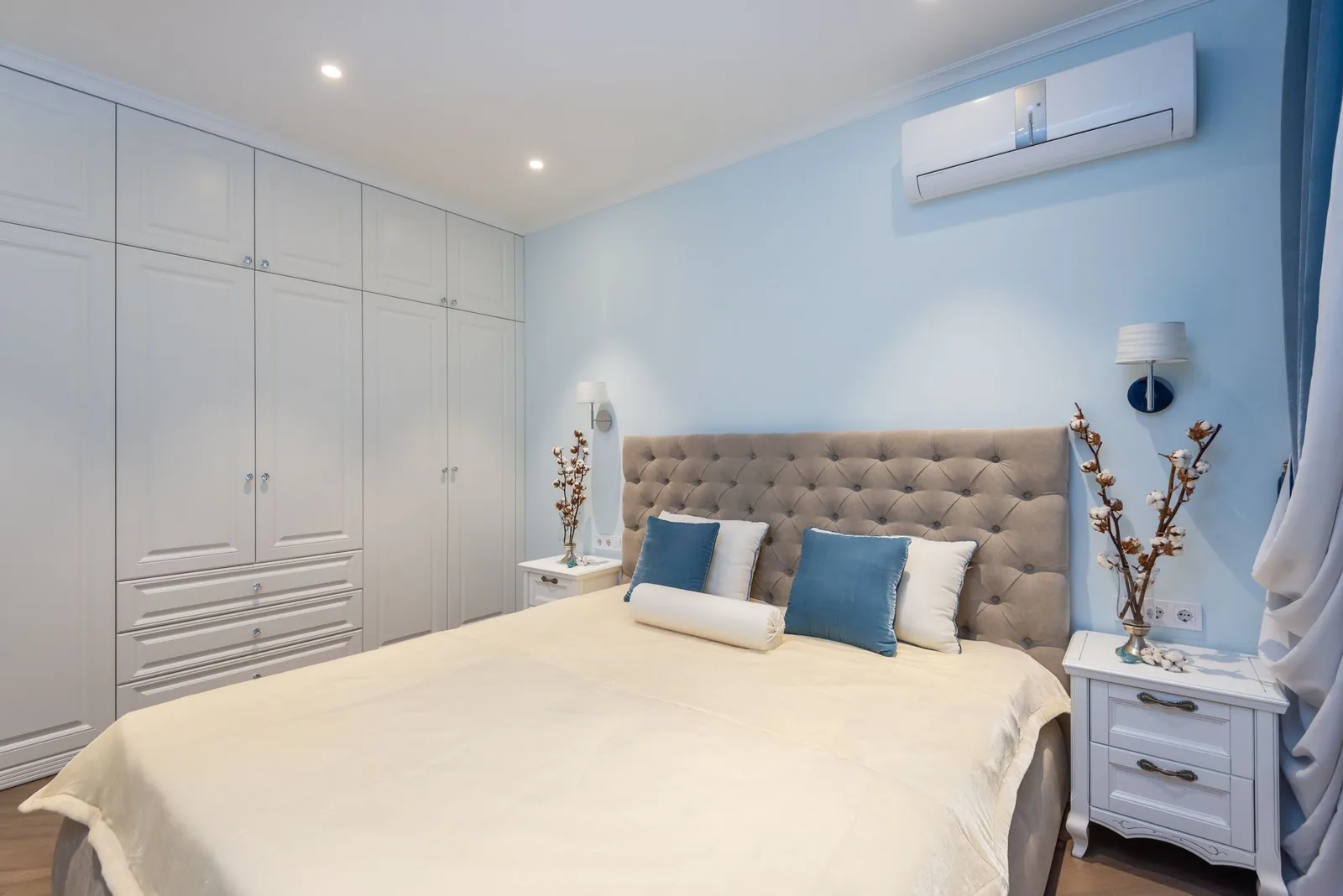
Our top three efficiency leaders right now: Mitsubishi Electric for all-climate dominance, Fujitsu General for ultra-efficient heating in cold regions, and Daikin for the best blend of efficiency and system variety. Each earns its spot for a different reason, and none of them is right for everyone.
When we say "most efficient" in 2026, we mean brands whose lineups consistently deliver high SEER2 (cooling efficiency), HSPF2 (the heating seasonal performance factor that drives winter energy bills), and strong real-world performance in the climates where people actually live. We use SEER2 and HSPF2 ratings to measure efficiency, not marketing claims. Mini splits use heat pump technology to move heat efficiently rather than generating it from scratch. That is why a well-chosen ductless mini split system can cut electric bills by 20% or more compared to traditional systems.
We rank brands, not individual models, based on lineups that are focused on efficiency and are actually sold in North America in 2026. At useminisplitbrands.com, we match mini split brands to specific jobs - cold climate, DIY, budget, multi zone systems - and we filter out brands that look efficient on paper but fall short on support or long term reliability.
One important note: the federal 25C Energy Efficient Home Improvement Credit has ended for property placed in service after December 31, 2025. Any site still selling that as a 2026 heat pump incentive is out of date. In terms of 2026 incentives, we are looking at performance and realistic utility and state programs, not that old credit.
How We Chose the Most Efficient Mini Split Brands
How SEER2, EER2, HSPF2 & Cold-Climate Ratings Work
SEER2 is the seasonal energy efficiency ratio under updated DOE test conditions, which use higher static pressure that is closer to real-world installs. EER2 measures cooling efficiency at a fixed 95°F outdoor temperature. Both replaced old SEER/EER for new installs starting in 2023, and efficiency ratings that let you compare different units are essential when you look at mini splits today.
For context on how aggressive mini split efficiency can be: since January 1, 2023, a split central AC under 45,000 BTU installed in the Southeast or Southwest must hit at least 14.3 SEER2. Most mini splits we recommend are well above that floor. DOE's Southwest AC region (Arizona, California, Nevada, New Mexico) also needs an EER2 floor at 95°F of 11.7 for units under 45,000 BTU below 15.2 SEER2, or 9.8 if rated 15.2 SEER2 or higher.
HSPF2 is the main heating efficiency measure. For cold climate heat pumps, ENERGY STAR needs ductless systems to hit 8.5 HSPF2 versus 8.1 for ducted, both with at least 15.2 SEER2. Cold-climate systems must also maintain heating capacity below 32°F and retain at least 70% of rated capacity at 5°F. With brands that have multiple models topping ENERGY STAR Version 6.2 floors (15.2 SEER2, 11.0 EER2, 7.8 HSPF2 for heat pumps) by a comfortable gap, we give those extra weight. High-efficiency units generally start around 20–22 SEER2, and modern top-tier systems can achieve 25 SEER2 or higher. A system's efficiency ratings can vary within the same brand, so we look across the full range of each brand.
Pick a mini split with a SEER2 rating of 17 or above as a starting point for serious efficiency. Many mini splits have a minimum SEER2 rating of 17 for state and utility incentive access. Higher SEER ratings show better energy savings over time.
Real-World Operating Costs & Climate Suitability
Nameplate ratings don't tell the whole story. When outdoor temperatures spike past 95°F in desert markets and when temperatures drop well below freezing in cold climates, we look at how brands perform. Brands that have proven low power draw at peak cooling and stable heating capacity at 5°F and below are the brands we favor. We cross-check spec sheets where field data is available, including utility studies and pro installer feedback.
Reliability, Warranty & Support
Efficiency only pays off if the unit is reliable for the long haul. Mini splits can last 15 to 20 years with proper maintenance, but we lower the score for brands with bad part quality or hard-to-get parts. Key warranty factors include the length of compressor coverage (10–12 years is standard for premium brands), parts coverage, and whether the full warranty needs licensed or dealer-network installation. A mini split system's reliability can be affected by local support and installation quality, so we give more weight to brands with strong U.S. and Canadian seller networks. Trane mini splits are known for their great engineering and reliability, though their ductless range of products is smaller than the brands we focus on below.
Range of High-Efficiency Options
Brands that offer multiple high-efficiency lines - single-zone, multi zone, wall units, ceiling cassettes - not just one halo model, we prioritize brands like that. We are looking for efficiency across common sizes (9,000–24,000 BTU), not just a single small unit that breaks records but isn't widely usable. Premium mini splits often get SEER2 ratings above 30 in specific configurations, usually 6,000–9,000 BTU units, but typical multi-zone or larger units land in the low 20s.
Value for Money & Install Flexibility
We are looking at cost per unit of efficiency and typical installed cost ranges. Some brands don't top the charts by the numbers but get a spot because they offer 90–95% of the efficiency at much lower upfront cost. We also factor in how install-friendly the equipment is - because poor installation kills efficiency no matter what the spec sheet says. Inverter-driven compressors continuously adjust to match cooling or heating needs, but only if the system is installed correctly and charged properly.
Best Mini Split Brands for Energy Efficiency in 2026
1. Mitsubishi Electric - Best Overall for All-Climate Efficiency
Mitsubishi is our top overall pick for energy efficiency across climates. It has a deep product range, cold-weather heating that leads the industry, and a support network that actually backs the warranty claims.
Why It Stands Out
Mitsubishi Electric is known for its durability and energy efficiency, and Mitsubishi models often rank among the top for SEER ratings in the ductless category. Their Hyper-Heating H2i line pushes SEER2 near 30 in small single-zone sizes (the FX Deluxe Hyper-Heat 12,000 BTU hits about 29.9 SEER2 and 12.4 HSPF2), and capacity retention at sub-zero outdoor temperatures is excellent. High-performance mini splits from Mitsubishi tend to have better airflow and temperature control than most competitors, with dual-sensor temperature tracking that prevents overcooling or overheating. Mini splits operate quietly, and Mitsubishi's indoor air handler units are among the quietest on the market, enhancing comfort in living spaces - bedrooms especially.
Best For
-
You might be in mixed or cold climates and want one system for both heating and cooling as your primary HVAC
-
You might value quiet operation, noise levels and consistency over the cheapest initial price
-
Whole-home multi zone systems where fine-grained control across different rooms matters
Key Strengths
-
Very high real-world heating efficiency and keeping capacity in cold weather
-
Broad range of products: single-zone, multi-zone, wall units, cassettes, ducted air handlers - many in high-efficiency versions
-
Excellent long term reliability track record and strong seller/contractor networks
-
Indoor unit and outdoor unit operation is quiet
Possible Limitations
-
Higher upfront equipment and cost to install the mini split than many competitors
-
Full warranty benefits often depend on using approved or elite dealers. This limits low-cost install options
2. Fujitsu General - Best for Quiet, High-Efficiency Heating
Fujitsu is a top-tier pick for heating-dominant climates. Their XLTH line delivers some of the highest HSPF2 numbers in the market with very low sound output.
Why It Stands Out
Fujitsu mini splits are known for reliable performance and being eco-friendly. The XLTH series posts non-ducted SEER2 around 22–23.5 and HSPF2 around 11–11.5, with COP values that match anything in the category. In verified testing, the Fujitsu XLTH kept about 138% of its rated heating capacity at 5°F with a COP of 2.32 - meaning it actually produced more heat at 5°F than its nameplate rating at 47°F. High-efficiency mini splits from Fujitsu use eco-friendly refrigerants like R-32 or R-454B, which fits with the industry's shift toward lower global heating potential refrigerants.
Best For
-
Cold or shoulder-season climates where the ductless mini split will carry most or all heating load
-
Bedrooms, offices, studios where low noise levels and steady, warm or cool air without drafts are essential
-
Owners who plan to run in heat mode for 8–9 months a year
Key Strengths
-
High HSPF2 and strong capacity retention at low temperatures for ductless systems
-
Good SEER2 ratings that compete well with other premium mini split brands
-
Focused line of energy efficient ductless products with proven longevity
-
Often competitive rebates where cold-climate incentives are offered
Possible Limitations
-
Lineup in some regions is smaller than Mitsubishi or Daikin. This limits certain niche configurations
-
Fewer DIY-friendly options. Generally needs professional installation and design
3. Daikin - Best Mix of Efficiency and System Variety
Daikin delivers high efficiency with the widest product variety of any brand on this list. If you need options - ductless, ducted, multi-zone, multiple indoor unit styles - Daikin usually has something that fits.
Why It Stands Out
Daikin mini splits prioritize comfort and energy efficiency across several product families. The Aurora wall-mounted line offers up to 21 SEER2, 10.5 HSPF2, and 12.2 EER2 with certified continuous operation down to about -13°F. Their multi-zone cold-climate models maintain strong heating capacity even when temperatures drop a lot.
Best For
-
You might want the right mini split system with many indoor unit styles and capacity options
-
Mixed-climate regions where both cooling and heating efficiency matter but sub-arctic performance isn't needed
-
Projects that might expand to multi-zone later, needing a broad range of products
Key Strengths
-
Strong SEER2 ratings in many ductless mini models, competitive with the top tier
-
Broad availability and extensive dealer networks in North America
-
Good compatibility with smart controls and advanced thermostats
-
Balance of price and best performance. It's not always the most expensive premium option
Possible Limitations
-
Not every Daikin-branded mini split ac system in big-box or online channels represents their best efficiency. Pay attention to model numbers
-
Documentation and names can be confusing for non-pros comparing similar-looking models
4. LG - Best High-Efficiency Mini Splits with Smart Features
LG has its spot by putting competitive efficiency together with the best smart-home integration in the category. If app control and modern design matter as much as energy costs, LG is the brand to watch.
Why It Stands Out
LG mini splits feature modern design and smart controls that go beyond a basic remote control. Smart mini splits connect to Wi-Fi for remote temperature control, and LG systems integrate seamlessly with voice helpers and smart-home platforms. Smart occupancy sensors help mini splits save energy when rooms are empty. LG systems deliver SEER2 ratings in the 20–25 range across common sizes, with user friendly features that let owners micro-manage energy usage through scheduling and real-time monitoring.
Best For
-
You might be tech-oriented and value app control, voice integration and smart features
-
Smaller homes, apartments and offices where how the indoor air handler looks matters
-
You might want to track and reduce energy bills with advanced scheduling
Key Strengths
-
Strong SEER2 ratings paired with robust Wi-Fi, app and smart-home support
-
Modern indoor units that don't stand out visually, with modern design
-
Good value: often costs less than ultra-premium brands while staying energy efficient
Possible Limitations
-
Heating efficiency at very low outdoor temperatures may lag the cold-climate specialists like Mitsubishi and Fujitsu
-
Support quality and parts availability can vary more by region than some competitors
5. Gree - Best Budget-Friendly High-Efficiency Brand
Gree is the best pick for buyers who want better-than-average efficiency without premium pricing. They manufacture equipment for many re-badged brands and have deep experience with inverter mini split systems.
Why It Stands Out
Among about 5,082 ENERGY STAR-certified mini split systems, Gree has about 92% of its models certified for cold climate operation - the highest share of any brand. Typical SEER2 sits around 21 with peaks above 30 in smaller sizes, all at clearly lower cost than the top Japanese brands.
Best For
-
Budget-sensitive homeowners who still want to save money on utility bills through better efficiency
-
Supplemental zones - a finished attic, bonus room, garage or addition - where is the payback period shorter?
-
Warmer regions where extreme cold-climate heating is less critical
Key Strengths
-
Good efficiency ratings relative to price. Strong value per SEER2 point
-
Decent product variety, including single-zone and multi zone offerings
-
Reasonable comfort and noise levels for the money. Ductless systems provide targeted zoning. This reduces overall energy consumption
Possible Limitations
-
Warranty, documentation and installer know-how can be less consistent than premium brands
-
Long-term parts support and service networks may be thinner in smaller markets
6. MRCOOL & Similar DIY-Lean Brands - Best for DIY-Tilted High Efficiency
MRCOOL gets a niche spot if you want to handle part of the install yourself. Pre-charged refrigerant lines and simple packaging make fairly high efficiency financially accessible.
Why It Stands Out
The MRCOOL DIY 5th Generation Hyper-Heat 12,000 BTU posts about 23.5 SEER2 and 10.0 HSPF2 - solid enough for cold-climate certification. While top-tier brands beat those numbers, the net cost per kWh saved is hard to beat when you factor in thousands saved on professional installation labor. These new mini split air systems are designed to avoid bulky ductwork and existing ductwork completely, providing zoned cool air to one room or zone at a time.
Best For
-
You might be a capable DIY homeowner in markets where pro labor is expensive or hard to schedule
-
Secondary spaces (garages, shops, cabins) where top-shelf brands are hard to justify but efficiency still matters
Key Strengths
-
Decent SEER2 and HSPF2 ratings that beat window and portable units by a wide gap. Saves energy compared to traditional hvac
-
Mass-market availability is online and through big-box retailers
-
Ability to save thousands on install. This improves long term savings
Possible Limitations
-
Efficiency and cold-climate performance usually trail premium pro-install brands
-
Warranty coverage may be more restrictive if the install isn't done exactly by the book. An oversized unit or bad electrical work can cause poor performance
Quick Comparison of the Most Efficient Mini Split Brands
Here's a fast-scan summary of who each brand serves best when you look at efficiency:
-
Mitsubishi Electric - Best all-around efficiency across climates. Excels where the mini split is primary heating and cooling for your home
-
Fujitsu - Best for ultra-efficient, quiet heating in cold and shoulder seasons. Moves heat effectively even at extreme low temps
-
Daikin - Best blend of high efficiency and broad system options across ductless and ducted configurations
-
LG - Best for high-efficiency mini split systems with strong smart-home and app integration
-
Gree - Best for budget-conscious buyers wanting better-than-average efficiency and less energy waste
-
MRCOOL / DIY-tilted brands - Best for confident DIYers seeking solid efficiency with lower installed cost
How to Choose the Right Efficient Mini Split Brand
Choose Based on Your Climate (Cooling-Only vs True Heat Pump Workhorse)
In hot-humid climates, SEER2 and EER2 are what drive your cooling needs and energy costs. In cold climates, HSPF2 and low-temperature capacity retention matter far more. Cold-climate systems are maintaining heating capacity below 32°F and keeping delivery of warm or cool air when you need it most.
Choose Based on Budget and Payback Horizon
Balance upfront system cost against expected annual energy savings over 10–15 years. If you have high power rates and heavy usage, you can justify ultra-premium brands because the long term savings compound. Light users in mild climates may prefer mid-price high-efficiency options.
Since 25C tax credits are no longer available for post-2025 installs, 2026 buyers should look at local utility or state efficiency rebates tied to ENERGY STAR limits. Many programs now need cold-climate certification, not just a generic heat pump label. Mini splits provide zoned cooling for energy savings, and that alone can reduce energy loss compared to central forced-air systems.
Which Efficient Mini Split Brand Is Best for You?
-
Choose Mitsubishi Electric if you want top-tier, all-climate efficiency and plan to use one system as your main heating and cooling source across room size variations and square footage
-
Choose Fujitsu if whisper-quiet, high-efficiency heating is your top priority, especially in colder regions where consistent performance matters most
-
Choose Daikin if you need a wide range of high-efficiency options and may expand your system over time without bulky ductwork
-
Choose LG if you want energy efficient comfort plus strong smart-home integration, air quality monitoring and app-based control across different rooms
-
Choose Gree if your budget is tight but you still care about energy bills and want better efficiency than entry-level brands
-
Choose MRCOOL / DIY-tilted brands if you're a confident DIYer aiming to trade a bit of peak efficiency for much lower installation costs
Final Thoughts
There is no single winner for everyone. If you live in a serious heating climate - northern New England, the upper Midwest, the Rockies - Mitsubishi or Fujitsu gets every dollar of their premium through capacity retention and seasonal efficiency that budget brands can't match. If summers are what drive your energy usage and you want smart controls to manage it, LG or Daikin delivers strong cooling efficiency at a more accessible price. And if you're conditioning a single room, a finished attic or a workshop where professional installation isn't practical, MRCOOL or Gree gets you 90% of the efficiency at a fraction of the installed cost.
You should match the brand to your climate, budget and install path. Make sure whatever you buy gets a proper load calculation, correct sizing and a clean install. That's where real efficiency lives.