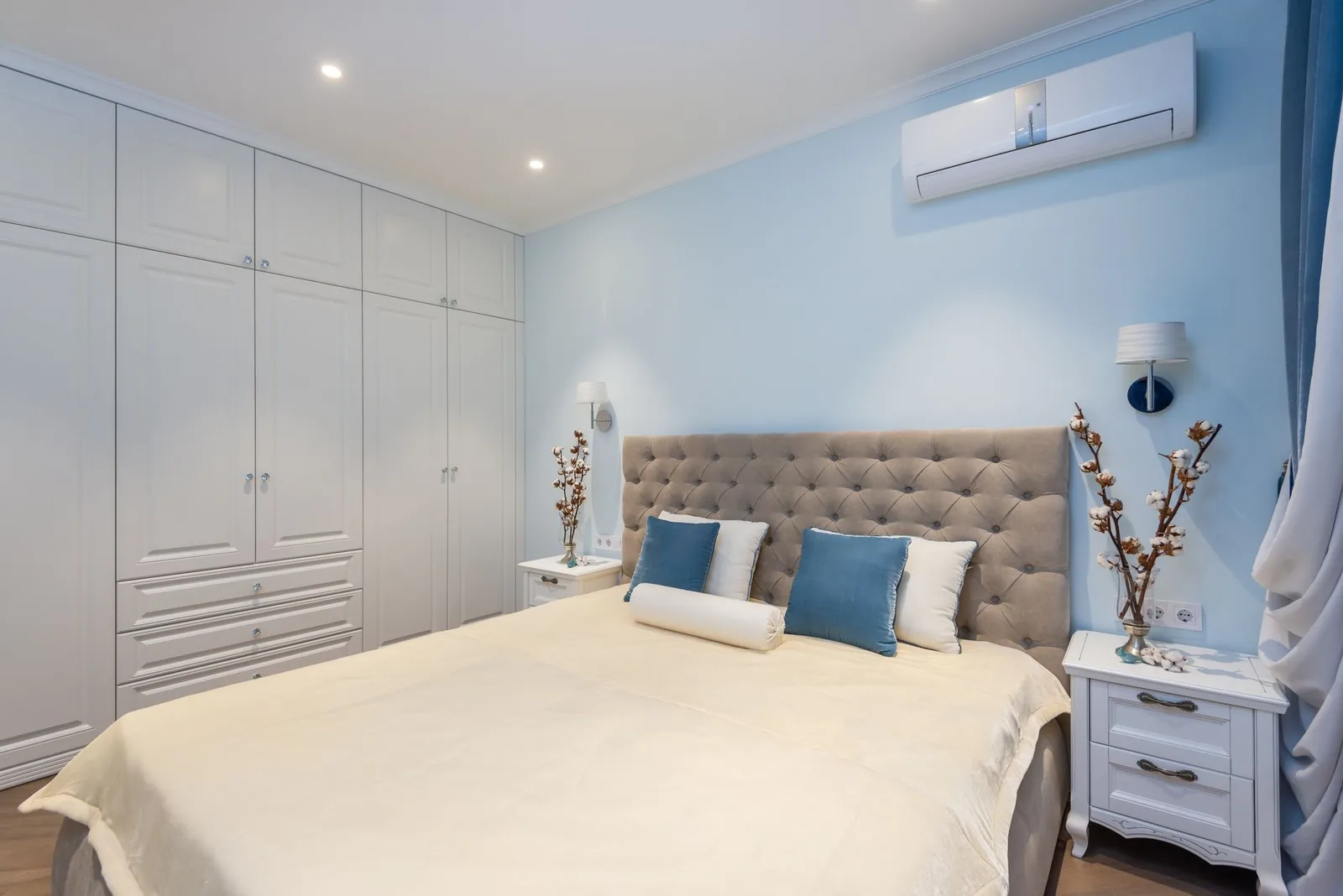
What Are the Best Mini Split Brands for a Small House in 2026?
Mitsubishi Electric is the best mini split brand for small houses overall, followed by Daikin for hot and humid climates, Fujitsu for cold-climate primary heating, LG for design and smart features, Gree as the best value tier brand with professional installation, MRCOOL as the top DIY pick, and Pioneer for budget supplemental zones. Each serves a different type of small-home buyer, and we break down exactly who should pick what below.
This guide covers whole small homes and ADUs that are in the 600–1,800 sq ft range, and these homes usually need one to four zones. We're not talking about cooling a single bonus room - we're talking about replacing or upgrading the entire cooling and heating setup for a compact house.
Mini splits can cut cooling and heating bills by 20 to 40 percent compared to older systems. Inverter technology improves efficiency by adjusting capacity based on demand, so the compressor goes up or down rather than cycling on and off. A high SEER rating shows better energy efficiency, and modern units routinely go past the lowest numbers that are set by federal standards. Most of them connect indoor and outdoor units with refrigerant lines that run through a small hole in the wall - no major renovation needed. They don't need ductwork, which makes installation easier and they usually last 10 to 15 years or longer with proper maintenance.
How We Chose the Best Mini Split Brands for Small Houses
Key Criteria We Used
-
Small-space performance: Brands must offer efficient heads in the 6,000–18,000 BTU range. Mini split systems usually operate within 6,000 to 12,000 BTU for the best performance in small rooms, and compact air handlers are a must for smaller living spaces. We looked for low minimum range changes so the system doesn't short-cycle in a bedroom that is 120 sq ft.
-
Cold-climate capability: We checked for ENERGY STAR cold-climate certification, which needs at least 15.2 SEER2 and 8.5 HSPF2 for non-ducted split heat pumps. That HSPF2 floor is actually higher for ductless than ducted systems - ducted only needs 8.1 HSPF2 - so ductless mini splits face a harder bar. We picked brands with strong cold climate performance and heating capacity that holds up below 5°F.
-
Noise levels: In a small house, the bedroom may be 15 feet from the living room wall unit. We liked brands that put out indoor sound levels in the mid-20s dB(A) range - quieter than a whisper.
-
Reliability and warranty: We favor brands with at least 10-year compressor coverage. Many need registration within 60–90 days to get the full warranty. For comparison, Trane gives 60 days to register for its 10-year parts warranty. Unregistered coverage drops to 5 years. There are similar rules across mini split brands.
-
Installed cost and DIY potential: We followed per-zone cost ranges for small homes and whether each brand supports true quick-connect DIY installation versus pro-only. Labor costs can go past equipment costs in high-cost cities, which makes DIY models appealing.
Best Mini Split Brands for a Small House in 2026
For small houses, we cut the field to seven distinct brands to avoid overlap and confusion. Each one fills a clear niche - from premium tier to value tier - so you can match a brand to your climate, budget and install preference.
1. Mitsubishi Electric - Best Overall for Small Houses
Mitsubishi Electric is the most reliable mini split brand on the market and the safest overall pick for small homes that need year-round heating and air conditioning. Mitsubishi leads the industry in low-capacity head options and cold-climate performance for compact spaces.
Why It Stands Out
Mitsubishi's Hyper-Heat systems maintain strong heating capacity well below freezing - they operate down to -13°F, and some models continue producing heat to -22°F. For a small house using a mini split as primary heat, that's non-negotiable in northern states. Hyper-Heat models reach 17 SEER2 ratings on certain cold-climate units, with premium wall heads climbing to 33.1 SEER2 and 13.3 HSPF2 on a 9,000 BTU model.
The brand offers multiple indoor units in very small capacities - down to 6,000 BTU - and multiple indoor air handlers can connect to multi-zone outdoor units sized for two to four rooms. They come in wall mounts, floor mounts and ceiling cassettes, covering nearly any small-house layout.
Mitsubishi's contractor network is deep, and the warranty goes to 12 years on the compressor when installed by a Diamond Contractor and registered within 90 days. ENERGY STAR-certified mini splits can use up to 60% less energy than conventional heating systems. Many of their models carry that certification.
Best For
-
Small homes in cold climates or four-season climates that use mini splits as the main whole house system.
-
Owners planning to stay 10–20 years who value reliability data over lowest upfront price.
-
You might prefer professional installation and expert system design rather than DIY.
Key Strengths
-
Very low minimum output and good range changes, avoiding short-cycling in small bedrooms and tight living rooms.
-
High SEER2 and HSPF2 ratings, with plenty of Energy Star cold-climate models well above the 8.5 HSPF2 floor.
-
Deep line of slim, quiet wall-mounted indoor units and floor consoles that suit low-ceiling small houses.
Possible Limitations
-
Among the highest installed cost per zone - a single-zone install runs about $3,800–$6,800, which can be tough for starter-home budgets.
-
Little to no DIY path. Most equipment is only sold through licensed pros.
2. Daikin - Best for Small Houses in Hot, Humid Regions
Daikin is best for hot, humid climates where dehumidification matters as much as cooling. Its multi-zone condensers and Aurora series make it a strong runner up to Mitsubishi for you if you're in the South and Gulf Coast.
Why It Stands Out
Daikin's reputation for excellent latent (humidity) control keeps small spaces from feeling clammy - a real problem in compact homes where moisture has nowhere to go. The Aurora series offers high-efficiency ratings for multi-zone setups. The brand's multi-zone systems are ideal for whole-home setups where you need two to four indoor heads off a single outdoor unit.
Daikin offers the best warranty at 12 years for compressors on its premium lines (19-series and LV-series) when installed by a licensed contractor and registered within about 60 days. Mitsubishi and Daikin are recommended for mixed climates, but Daikin's humidity handling gives it the edge in consistently muggy regions.
Best For
-
Small houses in hot, humid climates that need strong dehumidification more than extreme cold performance.
-
If you're planning a three to four zone ductless system off a single outdoor unit for a whole-home setup.
Key Strengths
-
Wide choice of compact heads and wall units that don't overwhelm smaller rooms - important when one indoor unit is always in your line of sight.
-
Efficient operation at part-load, keeping energy bills low when cooling small square footage. Energy-efficient mini splits can help reduce utility use in small spaces.
-
Strong reliability record and extensive installer networks in many metro areas for you.
Possible Limitations
-
Not always the cheapest option. Often priced just under Mitsubishi in many markets, with single-zone installs in the $3,000–$6,500 range.
-
Rural areas may have fewer Daikin-trained contractors, affecting service access for you in small towns.
3. Fujitsu - Best for Small, Cold-Climate Homes That Need Rock-Solid Heat
Fujitsu is the best mini split for small homes in the coldest parts of the country where you need a system that simply won't quit heating. They've got the lowest service-call rate among brands, and their units are known for quiet operation.
Why It Stands Out
Fujitsu's extra-low-temperature series (XLTH and Halcyon lines) maintain a high percentage of rated heat output at extreme cold. Fujitsu Halcyon operates continuously to -15°F, making it a strong option for tight small homes in northern states. The Fujitsu Altair 500 Series has SEER2 ratings between 21 and 26, delivering efficient brand performance across both heating and cooling modes.
Fujitsu is known for low service-call rates and strong factory support - a big deal when a single multi-zone mini split system is the only thing standing between you and a frozen house. Plenty of small-capacity heads suit 100–250 sq ft bedrooms and home offices.
Best For
-
Do you live in a small house in the northern U.S. or Canadian-border regions where overnight winter lows usually dip below 10°F?
-
Owners who prioritize long-term reliability and are willing to pay a slight premium for peace of mind.
Key Strengths
-
High HSPF2 ratings and ENERGY STAR cold-climate listings on many ductless models.
-
Quiet indoor units comfortable in small bedrooms and studio layouts.
-
Good multi-zone options sized to smaller total BTUs for compact houses.
Possible Limitations
-
Installer networks can be more spotty than Mitsubishi or Daikin in some U.S. regions - service network depth matters for you.
-
Equipment choice and controls can feel more "contractor-grade" than design-focused for you if you're style-sensitive.
4. LG - Best for Design-Focused Small Homes With Smart-Home Setups
LG mini splits have good integration with smart home systems and offer the best-looking indoor units on the market. For small, modern homes where the wall head is always visible, it's hard to beat on looks.
Why It Stands Out
LG's indoor units look more like modern art than HVAC equipment. In an open-plan small home where every room has a head in plain view, that matters. Built-in Wi-Fi and ThinQ smart home integration let you use app control and voice assistant compatibility (Alexa, Google Assistant) without add-on controllers. Smart features come standard, not as costly upgrades.
They deliver solid efficiency ratings and viable cold-climate lines suitable for many mild regions, though not the deepest-cold performers. LG mini splits work well as professionally installed systems in urban and suburban settings.
Best For
-
Owners of small, modern homes, townhomes or ADUs where appearance and app control matter as much as raw efficiency.
-
If you're a tech-forward buyer who already uses voice assistants and wants native controls on a remote control app rather than a separate thermostat.
Key Strengths
-
Stylish indoor units that blend into small living rooms and studios better than generic white boxes.
-
Native smart-home system without add-on controllers, which makes automation easier in a small home.
-
Competitive warranty terms compared with other big brands - often around 10 years on major components when registered.
Possible Limitations
-
Contractor coverage can be inconsistent in smaller cities, which matters for you if you're a small-town homeowner researching mini splits.
-
Product lines sometimes top out at lower BTUs than Mitsubishi or Daikin for future expansions.
5. Gree - Best Value for Professionally Installed Small Homes
Gree is the best value tier pick for small-home owners who want professional installation and a known global manufacturer behind the gear - without paying premium prices.
Why It Stands Out
Gree makes equipment for many private-label brands, bringing massive scale and engineering experience to their own nameplate units. They offer competitive energy efficiency and acceptable cold-weather performance at 30–50% less than top-tier brands in many markets. SEER2 ratings in the low 20s and HSPF2 around 9–10 on cold-climate lines are common.
A good range of modest-capacity indoor units for smaller rooms and starter homes makes Gree a practical other brand to consider alongside the premium names.
Best For
-
If you're a budget-conscious small-home owner who still wants a professionally installed ductless mini and a known manufacturer behind the gear.
-
Homes in moderate climates where you don't need the deepest cold-climate performance.
Key Strengths
-
Lower installed cost per zone, which is crucial when every dollar matters in a small starter home.
-
Reasonable warranty duration (5 years parts, 7 years compressor) and improving HVAC contractor support.
-
Product line handling single zone systems or two to three zone small-house setups.
Possible Limitations
-
Long-term reliability data isn't as strong as Mitsubishi, Daikin or Fujitsu over 15–20 years.
-
Brand recognition and parts availability may vary by area, affecting service speed. You won't find Gree at most big box stores.
6. MRCOOL - Best DIY Mini Split for Small Houses
MRCOOL offers DIY mini-splits with pre charged refrigerant lines that let a capable homeowner skip the HVAC contractor and save thousands on installation costs. For simple small-house layouts, it's the best mini split brand if you're willing to do the work yourself.
Why It Stands Out
MRCOOL offers DIY models with pre charged lines and quick-connect fittings that avoid needing a vacuum pump for many installs. Three mini-split models in the current market are designed for DIY installation. The 5th-Gen Hyper-Heat 12,000 BTU wall head delivers about 23.5 SEER2 and 10.2 HSPF2, with certified output around 8,400 BTU at 5°F - about 70% of rated capacity. It uses R-454B refrigerant, meeting the new low-GWP requirements.
MRCOOL sells systems and accessories through dealers and retailers. They offer both single-zone and small multi-zone options well-suited to 1,000–1,500 sq ft homes, with outdoor units supporting up to six zones.
Best For
-
Are you a DIY-savvy owner of a small house, cabin or ADU with a simple layout and easy line-set runs?
-
Moderate climates where absolute peak cold-climate performance is less critical than up-front savings. DIY installation can save you the full labor costs portion of a $3,000–$6,000 per-zone professional install.
Key Strengths
-
There are significant labor-cost savings compared to pro-only brands.
-
Clear documentation and large online community, helpful for first-time installers.
-
Decent efficiency specs for the price tier, often enough to qualify for local rebates. Mini-splits can cut energy bills by 20 to 40 percent even at mid-tier efficiency levels.
Possible Limitations
-
Warranty terms (7 years compressor, 5 years parts on DIY 5th Gen) are less generous than premium brands, though no registration is needed.
-
DIY installs can run into trouble with local permitting rules. A mini-split needs a dedicated electrical line for installation, and many jurisdictions need a licensed electrician for that work regardless of brand.
7. Pioneer - Best Budget Pro-Install for Small Supplemental Systems
Pioneer offers budget-friendly options and high efficiency for small spaces, making it the best brand for homeowners adding one or two zones rather than replacing an entire central air system.
Why It Stands Out
Pioneer offers simple, no-frills systems at low price points. These work well for small additions, sunrooms or upper floors where window units are the current (poor) solution. Seven mini-split models in the broader market need professional installation, and Pioneer generally falls in that category - but the overall installed cost still beats mid-tier brands.
Widely sold online with published specs, Pioneer makes it easy for small-home owners to compare before buying. Reasonable efficiency still beats most old window units or space heaters by a wide margin, and mini-splits avoid 30% energy losses common in ductwork that central systems can't escape.
Best For
-
Small homes in mild climates using mini splits mostly for cooling and shoulder-season heating.
-
You might be adding one or two zones to an existing furnace or boiler rather than replacing whole-home heating.
Key Strengths
-
Low entry cost for 9,000–18,000 BTU units that fit most small rooms.
-
Simple, widely available replacement parts through online channels.
-
Helps you save energy compared to older equipment without a major upfront commitment.
Possible Limitations
-
This may not be the best choice as the only heat source in cold climates. Value tier brands like Pioneer can work best as supplemental, not primary, systems.
-
Warranty and service network are weaker compared to premium brands.
Quick Comparison of the Best Mini Split Brands for Small Houses
-
Mitsubishi Electric - Best for small homes in any climate that need top-tier reliability and four-season heating. The safest all-around best mini split choice.
-
Daikin - Best for small houses in hot, humid regions that need strong dehumidification and multi-zone coverage from multiple air handlers.
-
Fujitsu - Best for compact homes in cold climates where the mini split will be the primary heater and quiet operation is a must.
-
LG - Best for design-focused small homes and townhomes that want built-in smart controls and attractive indoor units.
-
Gree - Best mid-tier value for professionally installed systems in smaller houses with moderate climate demands.
-
MRCOOL - Best DIY-friendly option for capable owners of small houses and ADUs who want to skip professional labor.
-
Pioneer - Best budget pick for small supplemental zones in milder climates where you already have another main heat source.
How to Choose the Right Mini Split Brand for Your Small House
Choose Based on Climate and Heating Needs
Colder climates - northern Midwest, Northeast, mountain states - favor Mitsubishi and Fujitsu for stable full capacity heat at or below 0°F. Both brands have the strongest cold climate performance at the extremes. Hot-humid regions tilt toward Daikin, whose latent cooling keeps compact spaces comfortable without that sticky feeling.
Small houses with electric resistance heat can see enormous savings from an efficient mini split heat pump, especially with HSPF2 scores above 8.5. Even in moderate climates, swapping baseboard heaters for a ductless system often pays for itself within a few years.
Choose Based on House Size and Zones
Common small-house setups:
-
Studio or loft (1 zone, ~500–800 sq ft): A single-zone MRCOOL DIY or Pioneer handles this. There is one indoor unit, one outdoor unit and little complexity.
-
2-bedroom cottage (~2–3 zones, 800–1,200 sq ft): Gree or Daikin multi-zone, or MRCOOL DIY multi-zone for hands-on owners.
-
3-bedroom ranch (~3–4 zones, 1,200–1,800 sq ft): Mitsubishi, Daikin or Fujitsu for whole-home coverage with multiple zones from a properly sized outdoor unit.
Mini split systems should avoid oversized units to prevent short cycling - a 36,000 BTU outdoor unit on a well-insulated 900 sq ft home will cause humidity problems and waste energy. Typical rules of thumb (20–25 BTU per sq ft) are only a starting point. Proper sizing through a Manual J load calculation is always better. Consumer reports and industry groups consistently flag oversizing as the most common install mistake.
Choose Based on Budget and Install Type
Rough per-zone installed cost ranges for small homes:
-
Premium tier (Mitsubishi, Daikin, Fujitsu): $3,500–$6,800 per zone installed, with 3-zone whole-home systems running $9,000–$15,500.
-
Value tier (Gree, LG): $2,500–$5,000 per zone installed.
-
DIY (MRCOOL, some Pioneer): $1,200–$3,000 per zone for equipment. Labor is your time.
How long you plan to stay affects the math. If you're in a starter home for three to five years, a value tier or DIY brand may make more sense than paying premium pricing for a system the next owner may not value. If you're staying 15+ years, the reliability and warranty of Mitsubishi or Fujitsu often pay for themselves.
On DIY vs. pro install: true DIY systems like MRCOOL use pre charged refrigerant lines and quick-connect fittings, avoiding the need for an EPA 608 certification during the install itself. But local codes still require proper electrical work and permits in most jurisdictions. EPA 608 certification comes in Type I (small appliances), Type II (high- and very high-pressure appliances), Type III (low-pressure), and Universal - and the credentials never expire. That matters if a pro later services or repairs your system, because they'll need the right certification to handle the refrigerant.
Which Mini Split Brand Is Best for Your Small House?
It can depend on your climate, layout and whether you want DIY or professional installation. Here's the simplest way to decide:
Final Thoughts
Premium brands like Mitsubishi, Daikin and Fujitsu usually win on reliability and cold-climate performance. Value tier brands and DIY options like MRCOOL and Pioneer win on initial cost. The right answer depends on how long you'll live in the home, how cold your winters get, and whether you're willing to pick up a drill or prefer to hand the job to a licensed HVAC contractor.
Before buying, confirm specific model efficiency ratings via the AHRI directory and the ENERGY STAR product database. Check current incentives and refrigerant rules - the EPA's May 2026 Technology Transitions reconsideration rule removed the January 1, 2026 installation deadline for R-410A split systems whose components were made or imported before January 1, 2025, so that stock can still be installed. Does air quality and comfort in a small space hinge more on correct sizing and installation quality than on chasing the very last SEER2 point?