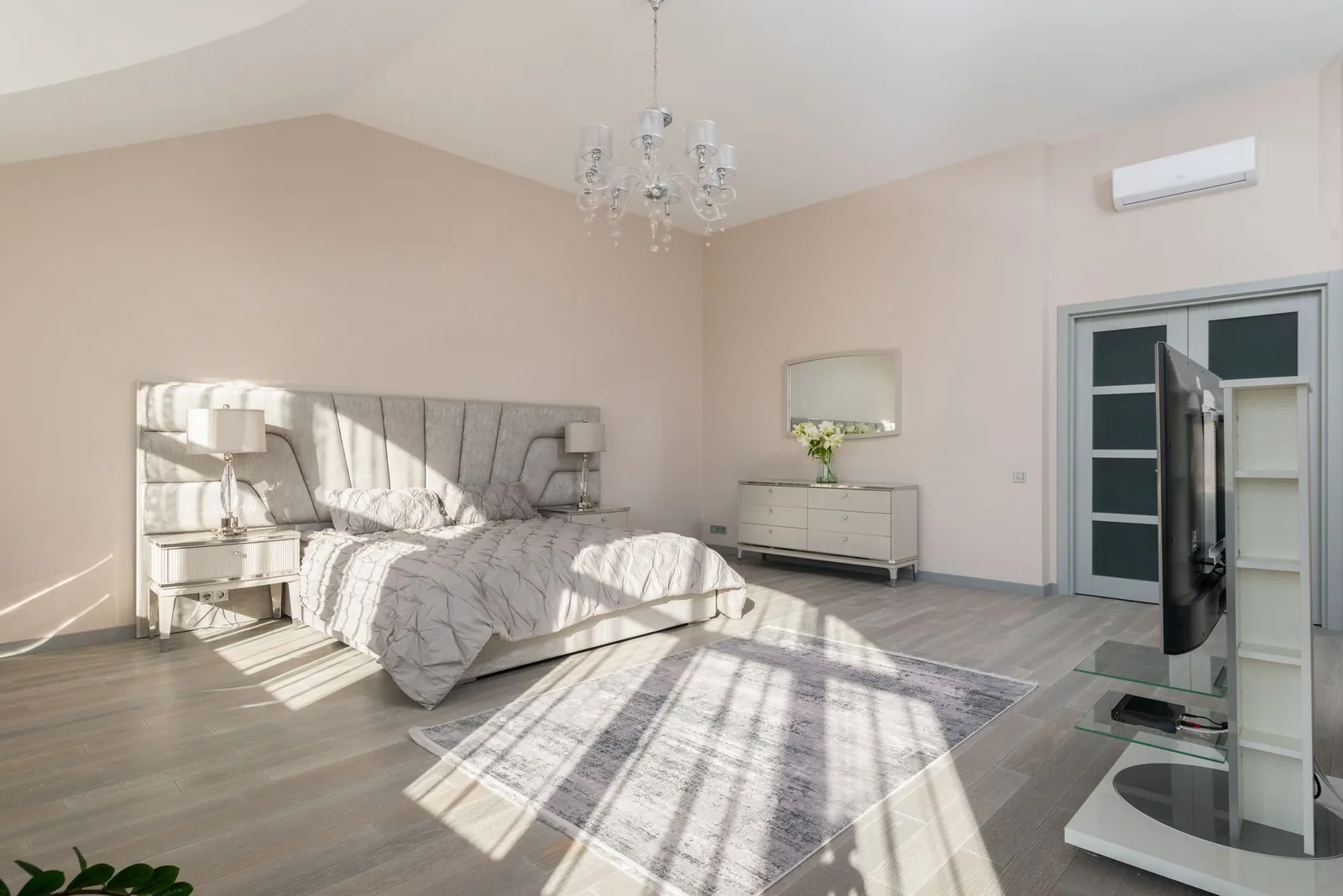
The best cold climate DIY mini split in 2026 is the Zone Air DIY Series. It delivers reliable heating down to −13°F, reaches up to 24 SEER2 on 208-230V systems, and uses pre-charged quick-connect line sets custom-cut to your exact run length, from 5 to 75 ft. The 5-year parts and 7-year compressor warranty explicitly allows DIY installation, and every system undergoes final assembly, testing, and inspection in the USA before shipping direct to you.
MRCOOL's DIY 5th Gen is also rated to about −13°F, and higher-tier MRCOOL DIY models are rated lower. MRCOOL doesn't sell direct to consumers. You buy through an authorized dealer or retailer, so returns and exchanges depend on the seller. Beyond these two, most other "DIY" cold climate options either use flare connections that require a vacuum pump and professional evacuation-like kits from TOSOT, Pioneer, and Senville-or they void the warranty entirely if you self-install. True DIY mini splits should have pre-charged line sets and low-ambient compressor technology that lets a homeowner handle the full install without opening the refrigerant circuit.
One critical note before we get into picks: when selecting a mini split for cold climates, assess the heating capacity at 5°F rather than the lowest operating temperature alone. A system that "works at −13°F" but only puts out 40% of its rated British thermal units at that temperature is very different from one that retains 70–75% of output. We compared the main DIY-capable brands on real cold climate performance-COP at low ambient temperatures, heating floor, warranty terms under DIY installation, and line set design-to arrive at these recommendations for 2026.
How We Chose the Best Cold Climate DIY Mini Split
We looked at every DIY-capable mini split system we could find that had published cold climate data in 2026. This wasn't a general list of ductless heat pumps. We focused specifically on systems a homeowner can install without having to open the refrigerant circuit and without automatically voiding the warranty.
We did not force a "Top 10" list. We only kept options that are genuinely distinct in how they handle cold weather DIY use.
Evaluation Criteria
We weighted these factors for cold climate DIY suitability:
-
Cold weather performance: Published heating capacity and COP at 5°F, heating floor (−13°F vs −22°F), and how heating output drops as outdoor temperatures drop. HSPF2 measures heating efficiency of mini split systems more accurately than SEER2 alone in cold regions.
-
True DIY installation: A true DIY installation needs factory-sealed, pre-charged refrigerant connections without a vacuum being necessary. We required sealed quick-connect fittings and no EPA 608 license required.
-
Warranty under DIY use: Whether the manufacturer clearly permits DIY installs and what the coverage looks like for the compressor and parts.
-
Efficiency and operating cost: Zone Air reaches up to 24 SEER2 on 208-230V models. MRCOOL DIY 5th Gen tops out around 23.6 SEER2 with HSPF2 ranging from about 8.5 to 11.5 depending on size.
-
Line set design: Custom-cut single-run line sets (Zone Air, 5–75 ft) vs fixed-length kits with couplers (MRCOOL) vs flare kits that need evacuation. Cold climate mini splits use inverter technology so the compressor can change speed, and because of that you want the refrigerant lines to stay solid and leak-free when the outdoor unit is running all the time in extreme cold.
-
Support and buying experience: Direct-from-manufacturer support (Zone Air) vs dealer and store channels (MRCOOL), and how fast they get back to you during install questions and warranty claims.
-
Value for money: Zone Air is often 15–30% less than comparable MRCOOL systems at equal or higher efficiency. Inverter-driven compressors adjust their speed to maintain consistent indoor temperatures and reduce energy consumption, so efficiency differences compound over years.
Best Cold Climate DIY Mini Splits for 2026
Based on our criteria, we rank two DIY approaches for cold climates and compare MRCOOL's DIY 5th Gen alongside them. We rank by real cold weather DIY suitability-not brand recognition. The list focuses on single zone and small multi zone systems for homes, garages, home offices, and outbuildings where DIY makes financial sense.
1. Zone Air DIY Series - Best Overall Cold Climate DIY Mini Split
Our top pick is Zone Air. It delivers reliable heating down to −13°F across all single-zone sizes, and it has up to 24 SEER2 on 208-230V wall mount models. You can get pre-charged quick-connect line sets that are custom-cut to the exact length you need to run, anywhere from 5 to 75 ft in a single piece. Also, the warranty allows DIY installation.
Why It Stands Out
Every Zone Air system undergoes final assembly, testing, and inspection in the USA, then ships pre-inspected. That quality control step matters when the outdoor unit will face months of sub-zero wind chill.
The custom-length pre-charged line sets are a genuine differentiator: Zone Air is the only DIY mini split brand that does custom line set fabrication (as of November 2026). Zone Air cuts each set to the length your run needs-5 to 75 feet-so most installs avoid mid-run couplers and large coils of excess tubing sitting outside. Fixed-length kits from other brands often force you to keep excess length of refrigerant line sets coiled outside to avoid installation complications, and every extra coupling is another connection point exposed to cold weather.
Cold climate mini splits maintain efficiency below freezing temperatures. Cold weather mini splits should have good defrost performance to manage ice buildup on outdoor coils, and additional features like crankcase heaters enhance cold weather operation. Enhanced vapor injection technology helps maintain heating capacity in sub-zero temperatures, while base pan heaters prevent freezing of meltwater in outdoor units during defrost cycles. Zone Air publishes a one-page spec sheet, the full manual and an install guide for every unit, so you can check each system's specs before sizing.
DIY installation is explicitly supported by a 5-year parts / 7-year compressor warranty, with returns and warranty claims handled directly by Zone Air-not through a third-party dealer. Pre-charged quick-connect lines eliminate the need for professional HVAC installation, and a single-zone wall system takes about 4–6 hours for two people the first time, or about 3 hours with experience.
Zone Air's 115V models offer an optional plug-in cord kit, so the system can plug into a dedicated 15A GFCI outlet where local electrical code allows (never an extension cord), while MRCOOL's 115V DIY units are hardwired. Zone Air calls its 115V plug-in setup "the easiest systems to install on the market."
For multi-room homes, wall-mount, ceiling cassette and concealed ducted units can be mixed on one Zone Air multi-zone outdoor unit, and Zone Air's concealed ducted units are built for one room. MRCOOL's DIY ducted air handlers are 24K–36K central units for larger areas.
Zone Air is often 15–30% less than comparable MRCOOL systems, with higher efficiency on its 230V models, and it averages 4.8/5 across verified customer reviews, where reviewers often mention helpful support during installs and warranty questions.
Best For
-
Homeowners in IECC climate zones 4–6 who routinely see temps in the single numbers or low teens and want their mini split system to serve as their main source of heat.
-
DIYers who want to avoid a vacuum pump and refrigerant gauges but still want a line set cut to exact length instead of wrestling with fixed kits and couplers.
-
Buyers who value strong energy efficiency (up to 24 SEER2 on 230V) and pricing often 15–30% less than similar MRCOOL systems while keeping warranty coverage under DIY install.
Key Strengths
-
Up to 24 SEER2 on 208-230V models (23 SEER2 on 115V). At 230V that tops MRCOOL DIY 5th Gen's 23.6 SEER2 top model.
-
Heats well down to −13°F across single-zone sizes (9K, 12K, 18K BTU). Cold climate mini splits keep their capacity when the temperature drops below 20°F.
-
Custom single-piece pre-charged line sets from 5 to 75 ft cut down on connection points, leak risk and the hassle of running lines.
-
5-year parts / 7-year compressor warranty allows DIY installation, with 30-day returns on uninstalled units and support from the same company that built the system.
-
Indoor unit flexibility including wall mount heads, ceiling cassettes and concealed ducted indoor air handler options, all rated for −13°F operation.
Possible Limitations
-
Heating floor of −13°F means homeowners in very cold areas (regularly below −15°F) will still want backup heat for extreme cold snaps.
-
The 115V models are rated 23 SEER2, slightly below MRCOOL's 115V 9K (23.6) and 12K (23.5). The 24 SEER2 rating applies to the 230V systems.
2. DIY-Style Flare-Connection Kits (TOSOT, Pioneer, Senville) - Best for Experienced DIYers With HVAC Tools
Brands like TOSOT, Pioneer and Senville sell affordable cold climate mini splits that you can put in yourself. However, these are not true no-vacuum DIY systems. They have flare connections that need evacuation and often need professional sign-off to keep the warranty in place.
Why They Stand Out
Systems like TOSOT's 12K 120V GWH12AWCXB-A6DNA1AI offer decent specs-19 SEER2, 8.5 HSPF2 on R-32 with a 16 ft line set-but use flare connections that need proper evacuation. TOSOT's own DIY guide states evacuation is not optional.
Senville publishes strong warranty terms (5-year parts / 10-year compressor), but clearly says line-set pressure testing and evacuation must be done by a licensed HVAC professional and that DIY installation voids coverage. For experienced DIYers who own a vacuum pump and gauges, these systems can be cost-effective, but they do not fit the "tool-free, quick-connect" DIY category. DIY mini splits often need no specialized tools for installation-but that only applies to true pre-charged systems, not flare kits.
Best For
-
Advanced DIYers comfortable with EPA rules, pressure testing and pulling a vacuum-or willing to hire an HVAC tech just for the final refrigerant steps.
-
You live in a cold climate and you're on a tight budget. You mainly need backup heat or heat for the in-between seasons rather than full primary heating from one unit.
-
You are in an area where local HVAC techs are available to finish or check the refrigerant work so the warranty stays valid.
Key Strengths
-
The equipment costs less than quick-connect DIY systems. Many models still put up competitive SEER2 and HSPF2 ratings.
-
There's a wide selection of capacities and multi zone setups to choose from, including some extended low ambient models for bigger spaces.
-
Brand options like Pioneer and Senville have built up names among budget-conscious buyers like you.
Possible Limitations
-
Line sets are usually flare-connected and not pre-sealed, so evacuation is mandatory.
-
DIY installation usually voids the warranty (Senville says this outright) unless a licensed tech is involved.
-
You'll need specialized HVAC tools, careful torque on the flares, and there are more chances for leaks. That's especially risky when the outdoor unit is running hard in low ambient operation.
How MRCOOL DIY 5th Gen Compares
The MRCOOL DIY 5th Gen has SEER2 from 18 to 23.6 depending on size, with a −13°F heating floor. It's sold through authorized stores and retailers rather than direct.
What It Offers
MRCOOL DIY systems come with factory pre-charged Quick Connect® line sets, and MRCOOL states that "no special tools or training are necessary to install" when you use them as designed.
Many MRCOOL DIY 5th Gen models carry ENERGY STAR certification, with HSPF2 up to about 11.5 on the 9K and 18K units. You can get single zone wall mounts, multi zone configurations with several indoor units, and DIY ceiling cassettes.
Key Strengths
-
Rated operating range is cooling from −13°F to 122°F and heating from −13°F to 75°F on MRCOOL's DIY 5th Gen condensers.
-
SEER2 is in the low 20s on most sizes (22.5–23.6) with HSPF2 up to about 11.5.
-
Factory pre-charged quick connect line sets that do not require evacuation or refrigerant charging when used as designed.
-
MRCOOL's DIY 5th Gen comes with a 5-year parts / 7-year compressor warranty "with no registration required" (labor, refrigerant and freight aren't covered), as long as you don't move the unit after install.
Possible Limitations
-
MRCOOL sells fixed 11.5, 16, 25, 35 and 50 ft line sets, plus couplers for runs up to 75 ft, and has you coil the extra behind the condenser. If your run is longer than a standard set, you join an extension line set with a coupler, and every extra connection is another connection point.
-
MRCOOL's DIY Select line, sold under the same "MRCOOL DIY" name, only carries a 1-year parts and 2-year compressor warranty, so the exact series matters.
-
MRCOOL does not sell direct to consumers. It sells through authorized dealers and retailers, so returns and exchanges depend on the seller. MRCOOL DIY Direct, for example, is an independent, family-owned authorized dealer-not MRCOOL itself.
-
MRCOOL's cold ratings depend on the tier: the standard MRCOOL DIY 5th Gen is rated to about −13°F, and higher-tier MRCOOL DIY models are rated lower.
Quick Comparison of the Best Cold Climate DIY Mini Splits
Here is a quick summary of what each option offers:
-
Zone Air DIY Series is the best all-around cold climate DIY mini split for primary heating down to −13°F. It comes with custom pre-charged line sets, up to 24 SEER2 on 230V, and a DIY-allowed 5/7-year warranty. It is often 15–30% less expensive than similar MRCOOL systems.
-
TOSOT / Pioneer / Senville flare kits are best for advanced DIYers or hybrid DIY and pro installs who own a vacuum pump (or hire a tech) and want lower upfront cost, taking the fact that "DIY" may void warranty.
-
MRCOOL DIY 5th Gen (comparison not ranked) is sold through stores and retailers, with HSPF2 up to about 11.5, heating down to −13°F, and fixed-length line sets plus couplers for longer runs. The DIY Select line, sold under the same name, carries a shorter warranty.
How to Choose the Right Cold Climate DIY Mini Split
The right choice depends on how cold it gets where you live, whether you want true tool-free DIY installation, and whether the system will be your primary or backup heat source.
Choose Based on Your Winter Design Temperature
Look up your local 99% winter design temperature (available through ASHRAE data or your state energy office) and compare it to the heat pump's heating floor. Common mini split capacities include 9,000 to 48,000 BTU, but capacity at your design temperature is what actually matters.
Many U.S. cities in climate zones 4–5 have design temps between +10°F and −5°F. Northern interiors and parts of New England or the Upper Midwest may hit −10°F or colder. For design temps around 0°F to +10°F, −13°F-rated DIY systems such as Zone Air can serve as primary heat with minimal backup, and MRCOOL's DIY 5th Gen carries the same −13°F rating. For areas that regularly dip below −13°F, plan electric or fossil backup heat to cover 20–40% of the load on the coldest nights. Backup heating is recommended for cold-rated heat pumps to maintain capacity during extreme cold. Heating capacity drops 20–40% below 5°F for standard mini splits, so size your mini split heat pump for the capacity it delivers at your design temperature, not nameplate.
Choose Based on Installation Style and Tools
The key distinction is between sealed quick-connect DIY systems (Zone Air, MRCOOL DIY) and flare-connection kits requiring a vacuum pump (Pioneer, TOSOT, Senville). True DIYers without HVAC tools or EPA certification should stick with pre-charged quick connect designs that never open the refrigerant circuit.
Zone Air's custom-cut line sets minimize excess coils and joints. MRCOOL's fixed lengths may require coiling or extension couplers, which matter more in long runs through cold attics or exterior walls. DIY mini splits require a dedicated electrical line for installation-budget for an electrician if your space doesn't already have the right circuit. Each room you condition needs its own indoor unit. You'll need enough square footage to justify the system cost versus simply adding insulation or sealing air leaks first.
If you already plan to hire an HVAC tech for vacuum and startup, you can safely consider flare kits-but confirm warranty rules in writing before buying.
Choose Based on Budget and Long-Term Value
Budget for electrical work, permits and tools on top of the equipment itself. Zone Air is often 15–30% less expensive than comparable MRCOOL systems while offering higher SEER2 on its 230V models and a DIY-friendly warranty. Installation costs drop dramatically with true pre-charged systems versus professional installation of a central air or conventional split system.
Weigh each system's HSPF2 rating alongside potentially lower leak risk and fewer joints (Zone Air) when estimating long-term reliability and operating cost. Wi-Fi app control adds convenience but doesn't change heating output or efficiency. Many rebates in 2026 favor Energy Star or professionally installed systems; check local programs, but don't assume DIY automatically qualifies.
Which Cold Climate DIY Mini Split Is Best for You?
Here's a quick decision checklist you can use:
-
Choose Zone Air DIY Series if you want the strongest overall combination of cold climate performance, custom pre-charged line sets, DIY-allowed 5/7-year warranty, and pricing often 15–30% less than comparable MRCOOL systems. It is the best DIY mini split for most cold climate homeowners who want to size a mini split for primary heating in a room or space up to its rated square footage with standard ceiling height.
-
Choose a flare-connection system (TOSOT, Pioneer or Senville) only if you're an advanced DIYer with HVAC tools or you're planning a hybrid install where a licensed tech handles vacuum and startup to protect the warranty.
-
If your winter design temperature is below −13°F, a −13°F-rated DIY mini split by itself is not enough to get you through. Size for most days and plan clear backup heat - whether that's electric resistance, a wood stove or your existing factory-installed furnace - for the worst days. Even the most capable cold climate ductless heat pump needs a plan for the coldest nights.
Final Thoughts
In 2026, only a handful of brands deliver a true DIY, cold-climate-capable mini split. Among them, Zone Air stands out for cold weather reliability, custom line sets that reduce leak risk, direct-to-consumer support and a warranty that doesn't punish you for installing it yourself. The electricity savings from a well-sized heat pump over resistive heat or propane can pay back the system cost in just a few heating seasons.
Headline SEER2 is less important in cold regions than low ambient heating capacity, COP at 5°F, and how many joints your refrigerant line has exposed to freezing outdoor temperatures. A system that holds its heating output at 5°F will outperform a higher-SEER unit that loses output faster as the temperature drops. Proper wall insulation, air sealing and correct sizing matter as much as the equipment itself-no mini split compensates for a poorly insulated room.
Decide whether the system will be primary heat or a supplement, check your winter design temperature, and then choose the simplest system that meets your load with the fewest compromises. For most cold climate DIYers shopping in 2026, Zone Air is the best starting point. Flare kits are reserved for advanced or hybrid installs where you're comfortable with the tools-and the warranty risk.