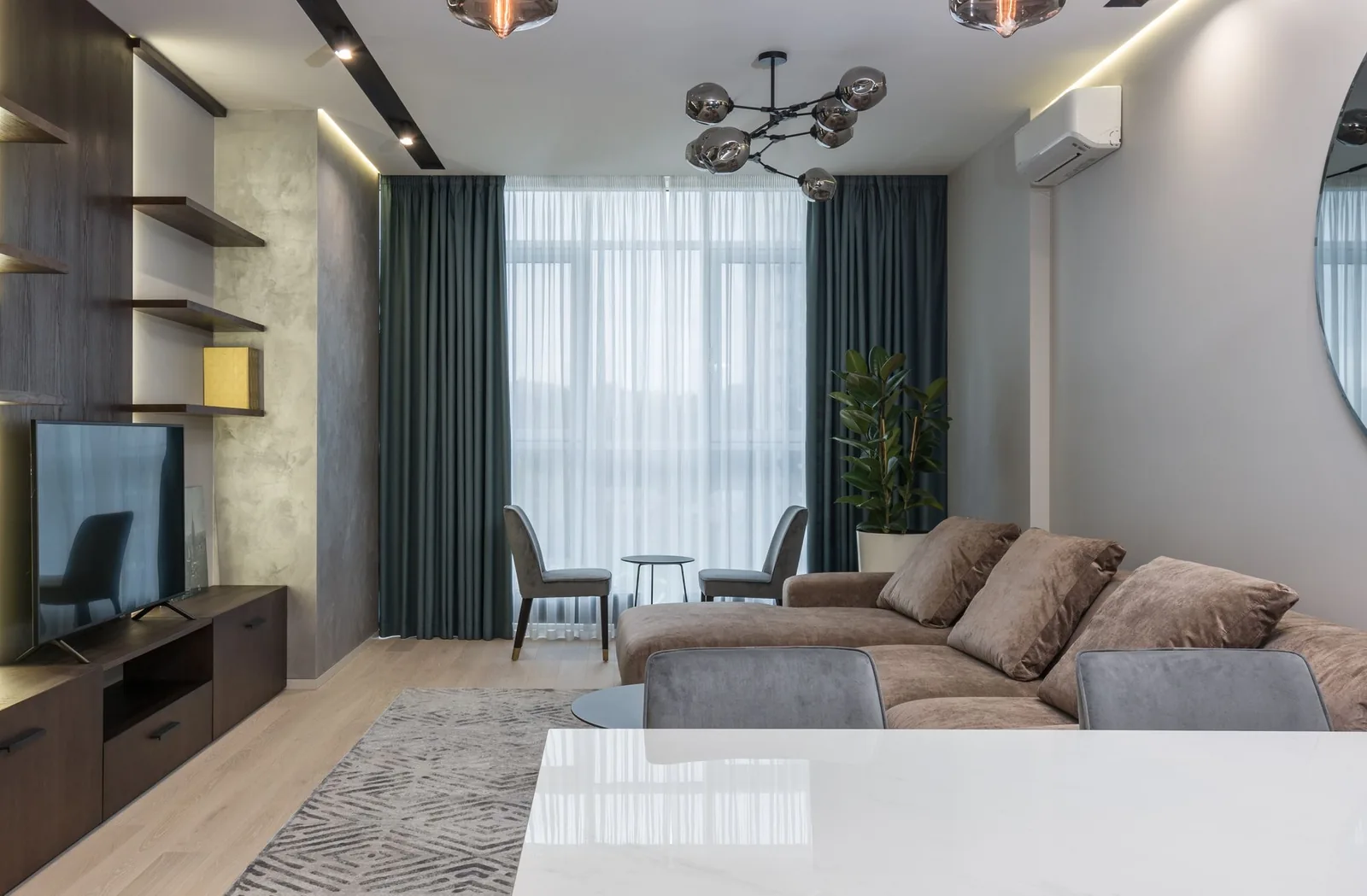
Most mini splits range from 9,000 to 36,000 BTU, and when you hit that 36k ceiling you're dealing with serious capacity. A 36,000 BTU mini split system is designed to cool large open spaces and can condition areas up to 1,800 square feet. That makes it a real alternative to central air conditioning for garages, shops, open-plan homes, and light-commercial rooms.
Our verdict is that Mitsubishi Electric is the best overall 36,000 BTU mini split brand. The leading brands for 36,000 BTU systems include Mitsubishi Electric and Daikin, but Mitsubishi edges ahead when it comes to cold-climate reliability, installer access and long-term support. For cold climates specifically, Fujitsu is our top pick. If you are looking at budget-minded DIY models, MRCOOL might be the brand to get.
How We Chose the Best 36,000 BTU Mini Split Brands
We looked at every major HVAC manufacturer plus the leading DIY brands, and we focused on models that are sold in the 30k–42k range as 36,000 BTU class systems. We didn't force a "Top 10." We cut brands that were weak on support, had unclear specs or couldn't show they were reliable at this size.
Performance & Cold-Climate Capability
We put first the brands whose 36k units keep up strong heating capacity when the temperature drops below 17°F. Cold-climate models can maintain high heating output in extreme temperatures, and the best ones still deliver useful heat at 5°F or even −13°F. Many quality mini splits can hold over 70% of their heating capacity at 5 degrees Fahrenheit. That is the threshold we think is really useful for northern regions. A 36,000 BTU system can heat efficiently down to sub-zero outdoor temps, but how much of its rated output it keeps varies a lot by brand.
SEER2 and HSPF2 are our main performance measures. For a 36k single-zone system in 2026, "good" means at least 17+ SEER2 and 9+ HSPF2. ENERGY STAR's cold-climate criteria for non-ducted split heat pumps needs at least 15.2 SEER2 and 8.5 HSPF2, and that bar matters if you're using a 36k unit as primary heat in a northern region. The ducted threshold is a bit lower and it sits at 8.1 HSPF2.
Energy Efficiency, Code Compliance & Operating Cost
Efficiency in mini splits is measured with SEER2 ratings. We looked at SEER2, HSPF2 and EER2 together so we could balance upfront cost against long-term power bills. Inverter technology helps cut energy waste by adjusting compressor speed, and every brand on our list uses it.
Split-system central air conditioners built on or after January 1, 2023 have to hit at least 13.4 SEER2 across the country, and split-system heat pumps need at least 14.3 SEER2 and 7.5 HSPF2. Some cheap 36k imports still don't meet these DOE minimums. In the DOE's Southwest AC region, which is Arizona, California, Nevada and New Mexico, 36k cooling-only splits need an EER2 of 11.7 at 95°F if they're rated under 15.2 SEER2, or 9.8 if they're rated 15.2 SEER2 or higher.
We liked brands with ENERGY STAR Version 6.2-level performance: about 15.2 SEER2 and 12.0 EER2 for AC units, or 15.2 SEER2, 11.0 EER2, and 7.8 HSPF2 for heat pumps. Most mini splits are more efficient than central air, and at 36k capacity the operating cost difference over ten years is big.
Reliability, Warranty & Support
You should look at warranty terms and installation conditions when you're buying. We checked compressor warranties (7–12 years versus the bare-minimum 5 years) and we looked at whether parts are available for 36k outdoor units. Most mini splits last 10 to 15 years, so having warranty coverage through a good chunk of that life matters.
Installation Options & DIY Friendliness
We told apart the brands that assume pro install and those that really support diy installation with pre-charged refrigerant line sets and clear manuals. Many brands stress the need for professional installation to maintain warranties. Installation requirements for mini splits can vary by model and brand, and for 36k units especially, we looked at line length flexibility, multi-zone options and electrical wiring requirements. Mini splits usually need a dedicated electrical line, and most 36k units need a 208/230V circuit with a 30–50 amp breaker. Installation may need drilling a 3.5-inch hole through the wall for the line set.
Value for Money & Real-World Use Cases
Our choice reflect value for specific situations, including cold climates, workshops, budget single-zone projects and multi-zone small homes, rather than raw brand prestige. We filtered out obscure 36k brands with weak documentation, vague specs or no clear warranty process, even when the price looked attractive. Mini splits skip costly ductwork, which already saves money versus central air, but the brand you pick still determines your long-term cost of ownership.
Best 36,000 BTU Mini Split Brands
1. Mitsubishi Electric - Best Overall 36,000 BTU Mini Split Brand
Mitsubishi is our top pick for 36k mini splits when comfort and reliability matter more than upfront cost. Their P-Series single-zone and MXZ multi-zone outdoor units cover both setups with a deep model range.
Why It Stands Out
Mitsubishi's 36k class units deliver strong cold-climate performance. The P-Series MPUZHA36NKA maintains 100% of its rated heating capacity at 5°F through flash injection technology, and few other brands match that at this size. ENERGY STAR Cold Climate-certified combos like the TRUZH0361KA hit SEER2 17.6, HSPF2 9.3, and EER2 12.7. Mitsubishi Electric has the largest contractor network in North America, so you can find parts and trained installers almost anywhere. Mitsubishi also offers a generous 12-year limited warranty on many systems.
Best For
-
Homeowners who are replacing or adding to central air with a primary 36k system in mixed or cold climates
-
Buyers who value ultra-quiet operation and stable room temperatures over minimum cost
-
Light-commercial users (offices, studios) who need dependable year-round conditioning
Key Strengths
-
Advanced inverter compressors with flash injection for low-ambient heating
-
Wide operating temperature range across the 36k range
-
Deep product line: wall mounted, ceiling cassette, floor unit and ducted indoor unit options
-
12-year compressor warranty with registration
-
Many modern mini-split models have integrated Wi-Fi controls, and Mitsubishi's kumo cloud platform is well-developed
Possible Limitations
-
Usually the most expensive 36k option on this list
-
Needs pro install. No DIY models available
-
Mitsubishi mini splits lose nearly half their cooling capacity below zero degrees, so in the most extreme cold conditions you may still need auxiliary heat
Watch out: if budget is your main concern, Mitsubishi units will feel steep. You're paying for the best support and reliability in ductless mini splits, not the lowest price tag.
2. Fujitsu - Best 36,000 BTU Brand for Cold Climates
Fujitsu is our favorite when a 36k unit will do heavy heating duty in places with long winters. Their 36RGLXC series and related cold-climate lines are built for exactly that.
Why It Stands Out
Fujitsu offers mini-splits with SEER2 ratings up to 33.7 across their wider lineup, and their 36k-class models put up strong numbers too. The 36RGLXC series hits SEER around 17.5 and HSPF around 11.2, with heating capacity retained down to −5°F. The Fujitsu Altair 500 Series has SEER2 ratings between 21 and 26. Mini splits can dehumidify air continuously while they run, and Fujitsu's shoulder-season dehumidification controls are among the best you can get.
Best For
-
There are owners in northern states or Canadian provinces where the mini split provides most or all winter heating
-
Projects where meeting utility rebate requirements tied to cold-climate specs is a priority
Key Strengths
-
Among the highest HSPF2 ratings available in any 36k class unit
-
There's solid efficiency across cooling and heating modes
-
Fujitsu offers warranties of 7, 10 or 12 years depending on model and registration
-
Quiet indoor heads with multiple fan speed settings
-
Zoning flexibility with 36k outdoor units supporting multiple indoor units
Possible Limitations
-
Your installer network may be spottier than Mitsubishi in some regions, especially rural areas
-
Pricing runs higher than mid-tier brands
Watch out: certain 36k Fujitsu combos have to be matched correctly to keep ENERGY STAR status. An off-spec indoor unit can drop the system below certification limits.
3. Daikin - Best 36,000 BTU Brand for Multi-Zone Flexibility
Daikin is our go-to when a 36k outdoor unit will serve multiple rooms with mixed load requirements. Their multi-zone condensers feed 2–4 indoor units without any trouble.
Why It Stands Out
Daikin's strength at 36k is multi-zone design. The SkyAir ducted concealed RZA36AAVJU delivers SEER2 around 16.9 and HSPF2 around 8.8 with R-32 refrigerant. Their line length options (up to 230 ft total pipe run) and variety of indoor head types-wall, floor, ceiling cassettes-give designers and installers maximum flexibility. Daikin offers a 12-year warranty on its mini-split systems, matching the best in the industry.
Best For
-
Small homes, duplexes or apartments where one 36k outdoor unit needs to cover several closed-off rooms
-
Retrofits where running multiple lines from one pad is easier than adding several smaller single-zone systems
Key Strengths
-
Industry-leading multi-zone flexibility with mixed indoor unit types
-
Strong availability through broad distribution
-
Compatible with wall, floor, ceiling cassette and ducted indoor heads
-
There are good smart control options with integrated Wi-Fi
-
Long global track record with R-32 refrigerant use ahead of most other brands
Possible Limitations
-
Multi-zone efficiency with 36k units may be lower than a single-zone 36k in partial-load scenarios
-
Some configurations emphasize cooling over heating
Watch out: make sure you match loads properly so the 36k compressor isn't constantly short-cycling. Oversized multi-zone setups waste power and shorten equipment life.
4. LG - Best 36,000 BTU Brand for Design-Conscious Homes
LG mini splits are the best 36k choice when aesthetics and smart home integration matter as much as performance. Their Art Cool line shows that a wall unit doesn't have to look like factory equipment.
Why It Stands Out
LG's indoor head designs include multiple finishes and slim profiles. The LG Artcool Deluxe KNSAL series has SEER2 ratings between 25.5 and 27, offering top-tier efficiency in a visually appealing package. LG mini splits have a warranty lasting up to 12 years, and their native ThinQ app works with major smart platforms. Mini splits run quietly with outdoor components that reduce noise, and LG's premium lines are among the quietest in operation.
Best For
-
Design-sensitive living rooms, open-plan condos or studio spaces where a conventional white wall box would be an eyesore
-
Homeowners already invested in smart home ecosystems who want one app to manage HVAC
Key Strengths
-
Attractive indoor head designs with mirror, matte and custom panel options
-
Strong SEER2 and HSPF2 ratings on premium series
-
Excellent dehumidification in high humidity environments
-
Quiet indoor and outdoor operation
-
There are robust Wi-Fi features and smart home compatibility
Possible Limitations
-
More limited true 36k single-zone availability compared with Mitsubishi or Daikin. LG mini splits sometimes rely on multi-zone configurations to reach 36k total cooling capacity
-
Your installer availability tends to be concentrated in metro areas
Watch out: if you're in a remote area, confirm a local installer has experience with LG mini splits before you commit to a 36k system.
5. MRCOOL - Best 36,000 BTU DIY Mini Split Brand
MRCOOL is our top DIY-friendly choice for 36k systems, especially for garages, shops and outbuildings where hiring a pro is difficult or expensive.
Why It Stands Out
MRCOOL's DIY 5th Gen 36K comes with factory-charged quick-connect line sets (25 ft included) that eliminate the need for vacuum pumps and refrigerant gauges. SEER2 is 18 and HSPF2-4 is 8.5. The Advantage 5th Gen variant pushes HSPF2-4 to 9.6. DIY mini splits involve electrical work and refrigerant line checks, but MRCOOL's documentation is clearer than most people expect from a value brand.
Best For
-
Experienced DIYers comfortable with electrical wiring and following detailed instructions
-
Detached garages, workshops or bonus spaces where code and inspection requirements are well understood
Key Strengths
-
Pre-charged line sets that simplify the refrigerant side of DIY installation
-
SEER2 18 is competitive with brands costing a lot more
-
Broad online availability through major retailers
-
Decent 36k capacity for large spaces
-
R-454B refrigerant in 5th Gen models for regulatory compliance
Possible Limitations
-
7-year compressor and 5-year parts warranty is shorter than pro brands offering 10–12 years
-
Installation mistakes on a large 36k system can be expensive to fix
Watch out: most people underestimate the electrical and mounting work even when the refrigerant side is made simple. A 36k unit draws serious power, so confirm your panel and wiring can handle a 35A breaker before you order.
6. Pioneer - Best Budget 36,000 BTU Brand for Value Seekers
Pioneer is our favorite for budget-conscious buyers who still want a reasonably energy efficient 36k ductless mini split from a known importer. They routinely offer 30k–36k-class systems plus ducted options that show they know how to handle larger capacities.
Why It Stands Out
Pioneer often delivers higher SEER2 than big-box generics at similar prices. Their 36k ceiling-concealed ducted model hits SEER2 around 15.8, which clears DOE minimums and approaches ENERGY STAR territory. Specs and manuals are more transparent than many cheap 36k brands.
Best For
-
Budget projects like finished basements, large rooms or rental units where every dollar counts
-
Owners willing to trade top-tier brand prestige for acceptable performance and good documentation
Key Strengths
-
Aggressive pricing that undercuts pro brands by a wide margin
-
Adequate efficiency for the money
-
Broad range of 36k SKUs including wall mounted and ducted
-
Clear manuals with installation steps
-
Easy access via e-commerce sites
Possible Limitations
-
Shorter warranties and less robust brick-and-mortar installer networks relative to Mitsubishi, Fujitsu or Daikin
-
Finding a local HVAC person willing to work on an imported 36k system can be a challenge
Watch out: vet local HVAC techs before buying. If nobody in your area will touch a Pioneer unit, the savings evaporate the first time you need a repair.
7. Mirage (and Similar Regional Brands) - Best 36,000 BTU Brand for Hot-Dry Climates
Mirage and similar regional brands prioritize cooling performance and price for the U.S. Southwest and similar climates. Mirage mini-splits are available in sizes from 9,000 to 36,000 BTU, covering everything from a single room to a large space.
Why It Stands Out
Strong 36k cooling performance and competitive pricing make these brands appealing for desert and Sun Belt homeowners. Some models focus on EER2 at 95°F, which matters in the DOE Southwest region where the EER2 floor applies. For a heater in warm climates, light winter operation is fine, but these units aren't built for sustained cold.
Best For
-
Hot-dry regions where the 36k mini split is mainly a powerful air conditioner with only light winter heating needs
-
Detached garages and shops in warm states where low-temperature performance is irrelevant
Key Strengths
-
Strong high-temperature cooling capacity
-
Simple, reliable controls
-
Competitive upfront cost
-
There's good availability through regional distributors in the Southwest
Possible Limitations
-
Limited low-temperature heating capacity. Often not suitable as sole heat in climates with sustained cold
-
Mirage mini-splits come with a six-year warranty, shorter than the 10–12 years offered by premium brands
Watch out: support may not extend nationwide. If you move or need warranty service outside the brand's core region, you could be on your own.
Quick Comparison of the Best 36,000 BTU Mini Split Brands
Here's how each brand lines up against a primary use case to help you decide faster:
| Brand | Best For | Standout Metric | Warranty |
|---|---|---|---|
| Mitsubishi Electric | All-around 36k performance, primary HVAC | SEER2 17.6 / HSPF2 9.3 | 12 years |
| Fujitsu | Cold climates, maximum heating output | HSPF \~11.2 | 7, 10, or 12 years |
| Daikin | Multi-zone setups, several rooms | Up to 230 ft line runs | 12 years |
| LG | Design-forward, smart homes | SEER2 25.5–27 (Art Cool) | Up to 12 years |
| MRCOOL | DIY garage/shop installs | Pre-charged line sets | 7 yr compressor / 5 yr parts |
| Pioneer | Budget-friendly with decent specs | SEER2 \~15.8 ducted | Varies by model |
| Mirage & peers | Hot-dry climates, strong cooling | High EER2 at 95°F | 6 years |
How to Choose a 36,000 BTU Mini Split Brand
Choose Based on Climate and Heating Needs
Cold-climate buyers should put first the brands with high HSPF2 and proven low-ambient performance. Fujitsu and Mitsubishi's cold-climate lines are the clear leaders here. Mini splits offer reverse-cycle heating that tops electric resistance, but only if the unit holds enough capacity when it's really cold outside.
Hot-humid and hot-dry regions should focus on EER2 at 95°F and match against DOE and ENERGY STAR limits. Brands like Mirage, Daikin and Mitsubishi all have models tuned for heavy cooling. If you're in a shoulder-season climate, look for brands with good dehumidification controls, not just raw BTU output. Air quality in high humidity environments is going to depend on it.
Choose Based on Pro vs DIY Installation
A pro-only brand makes sense for complex multi-zone 36k layouts, code-heavy areas or when the system is your primary home HVAC. Mitsubishi, Fujitsu and Daikin all need professional install and tie warranty coverage to it.
DIY-oriented brands like MRCOOL and some Pioneer SKUs are reasonable for detached spaces, simple wall mounts and owners with electrical experience. Even DIY kits may need a licensed electrician for the dedicated circuit. A poor 36k install can cost more to fix than the original installation costs would have been with a pro.
Choose Based on Budget and Total Cost
A higher-efficiency Mitsubishi or Fujitsu unit may pay for itself over time in high-rate utility areas where the system runs many hours per year. Pioneer or Mirage might save you more in low-rate regions or part-time use scenarios like a shop that only runs on weekends. Mini splits provide better energy efficiency than central air systems across the board, but the gap between a SEER2 16 and a SEER2 23 unit adds up fast when the compressor is your entire house climate system.
Choose by Zoning and Indoor Unit Style
How do the number of rooms and desired indoor head types influence your choice? The number of rooms and desired indoor head types, including wall, cassette and ducted, influence brand choice at 36k capacity. Daikin and Mitsubishi often win for complex multi-room layouts, while LG stands out when wall aesthetics matter most in a visible living space.
Which 36,000 BTU Mini Split Brand Is Best for You?
There's no single winner for every situation, but there's usually a clear best match for each buyer:
-
Choose Mitsubishi Electric if you want the safest all-around bet for a primary 36k system and don't mind paying more
-
Choose Fujitsu if you live in a really cold climate and expect your 36k mini split to carry most of the heating load through an entire house or large zone
-
Choose Daikin if you're building a multi-zone 36k system to cover several rooms from one outdoor unit
-
Choose LG if design, quietness and smart-home integration are top priorities in a visible living space
-
Choose MRCOOL if you're an experienced DIYer installing a 36k system in a garage, shop or bonus room
-
Choose Pioneer if you need a budget-friendly 36k brand but still care about clear specs and reasonable support
-
Choose Mirage or similar regional brands if you're in a hot-dry climate and mainly need strong 36k cooling at a warm-climate price
Final Thoughts
We'd pick Mitsubishi as the safest default for most people, lean toward Fujitsu in cold climates, and point budget-conscious buyers toward Pioneer or MRCOOL with eyes open about the trade-offs. Before you lock in any brand, confirm proper sizing, local code compliance and installer availability. Efficiency standards continue to tighten under DOE and ENERGY STAR rules, so choosing a brand that already exceeds today's baselines will age better over the next decade than one scraping by at the floor.